Introduction to Automotive PCBs & the Automotive Industry
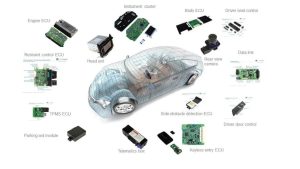
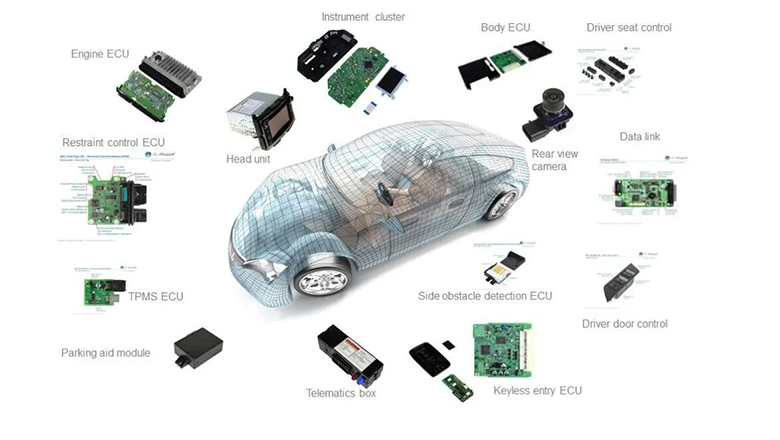
The development of the automotive industry has its driving factors. These factors come from significant advancements in automotive technology and PCB technology. From luxury sedans to electric vehicles and hybrid electric vehicles, various types of vehicles today rely on a dense network of circuit boards. More specifically, these circuit boards refer to automotive printed circuit boards. These boards are responsible for performing a wide variety of critical tasks.
These automotive PCBs serve as the backbone for electronic systems in today’s cars, powering everything from engine management to digital displays and advanced driver assistance systems (ADAS). As automobile manufacturers strive for greater innovation, safety and sustainability, the importance of reliable automotive PCBs becomes clearer than ever.
Understanding Automotive PCBs: What Makes Them Unique
What Is an Automotive PCB?
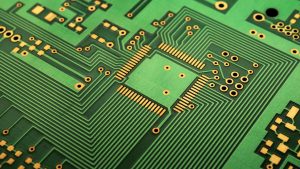
An automotive PCB is a highly reliable circuit board designed specifically to meet the extreme environmental and electronic demands found in the automotive sector. Unlike basic consumer PCBs, automotive printed circuit boards must survive:
- Thermal cycling (rapid temperature changes)
- Mechanical shock and vibration
- Humidity and corrosive atmospheres
- Extended lifespans (often 10–15 years or more)
Why Are PCBs Used in the Automotive Industry?
Printed circuit boards provide a stable, programmable and scalable platform for:
- Powering complex control units (ECUs, BMS, PCUs)
- Supporting communication between sensors and actuators
- Enabling flexible, high-density circuit designs as vehicles become more compact
Printed circuit boards (PCBs) are widely applied in the automotive industry.Automakers carry out vehicle design by relying on such circuit boards.Vehicles designed in this way deliver higher intelligence, stronger safety protection and better energy efficiency.
How Automotive PCBs Differ from Standard Circuit Boards
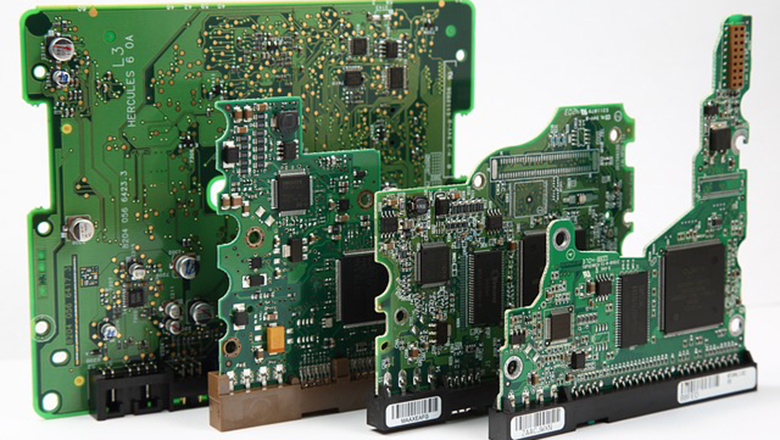
Key Differences Between Automotive PCBs and General PCB Boards
Automotive circuit boards are specifically designed for high reliability requirements under harsh operating conditions. The fundamental differences from ordinary circuit boards are reflected in the following aspects:
- Durability and Reliability: Automotive printed circuit boards adhere to strict performance specifications.They must adapt to various complex working conditions in the automotive industry and meet the stringent operational requirements set by the industry in vibration environments, temperature fluctuations, humid conditions and chemical exposure scenarios.
- Traceability: Automotive PCB manufacturers must establish a complete traceability system. This system covers Production Part Approval Process (PPAP) Level 3 documentation and batch records. In the event of a failure or recall, this system enables manufacturers to respond quickly.
- Quality Testing: Printed circuit boards must complete a series of professional performance inspection procedures, which cover three core items: thermal cycling test, thermal shock test and humidity bias test.
- Certifications: Automotive PCB products shall comply with stringent automotive-grade quality standards.The three standards IATF 16949, IPC-6012DA and AEC-Q200 form a complete specification system, which provides a solid guarantee for the full compliance of the products.
Why High Reliability Is Crucial for Automobile Electronics
Failure of a single automotive circuit board can compromise safety systems, driveability or compliance. It is thus important that your PCB manufacturer is capable of delivering high reliability and documentation for every board they produce.
Types of PCBs Used in the Automotive Industry
The Main Types of PCBs for Automotive Applications
The applications and types of PCBs found in cars are wide-ranging. Let’s break down the most common types of circuit boards used:
| PCB Type | Key Applications in Automotive | Example Use |
| Rigid PCBs | Power control, ECUs, displays | Engine control units, digital instrument clusters |
| Flexible PCBs | Tight/curved layouts, moving parts | Power seats, steering-wheel controls, foldable dash boards |
| Rigid-Flex PCBs | 3D assemblies, vibration areas | Camera modules, airbags, compact ADAS |
| HDI PCBs | High-density, compact areas | Radar, infotainment, satellite comms |
| Metal Core/LED PCB | Heat dissipation/lighting | Headlights, brake lights |
| Ceramic Substrates | Extreme heat, sensitive modules | BMS power converters, high-power sensors |
| Prototype Boards | Design trials, short-batch runs | Pre-production and testing of new features |
Variety of PCB Options
PCB manufacturers are required to supply a diverse range of printed circuit boards.Sensors utilize small-sized circuit boards.Engine or battery modules adopt large-sized multilayer boards.Custom PCB assembly services achieve precise matching between circuit boards and automotive applications.
Automotive PCB Materials, Components and Substrates
Substrates and Materials
The substrate is the insulating material forming the backbone of a PCB. Automotive requirements push this even further, using:
- FR-4 (standard): Used in rigid PCBs and most control units.
- Polyimide or PET: Used in flexible PCBs for resilience and flexibility under heat.
- Ceramics (Alumina/AlN): High heat-resistant materials and electrical insulation properties play a critical role in engine and power control modules.
- Metal Core: Employed in LED PCBs and power converters for superior heat dissipation.
Critical Electronic Components
Automotive PCBs are populated by a wide array of electronic components:
- Microcontrollers, memory and power management chips
- Sensors (temperature, position, pressure, radar)
- High-reliability connectors, relays and fuses
- Specialized chips for safety, ADAS and navigation systems
Applications and Types of PCBs in the Automotive Sector
PCBs are used in virtually every automotive application. Here’s a look at the applications and types of PCBs that power the automotive industry:
- Motor & Power Control: High-reliability rigid PCBs manage engine, gearbox and power converter functions.
- Lighting & Signaling: LED PCBs and metal-core boards improve thermal management for headlights and signal lights.
- Safety Systems: Airbags, brake assist and ABS are enabled by reliable automotive PCBs.
- Infotainment & Navigation: Rigid-flex boards complete a connection task. Digital displays and navigation systems are interconnected. The two devices form an integrated unit and provide users with a smooth experience.
- ADAS & Autonomous Systems: HDI boards perform a supporting function. Flexible automotive PCBs perform a supporting function. Radar, cameras and AI processing modules receive support from both types of circuit boards.
Table: PCBs for the Automotive Industry
| Application Area | Types of PCBs Used | Common Boards for Automotive |
| Powertrain/ECUs | Rigid, heavy copper, ceramic | Engine control, transmission, gear units |
| Battery Management | Heavy copper, ceramic, HDI | BMS, thermal monitoring, isolation |
| Lighting & Signals | Metal core, LED, rigid-flex | Headlights, indicator, dome lights |
| Safety (ABS/ESC/ADAS) | Rigid-flex, HDI, ceramic | Brake control, ADAS sensor fusion |
| Infotainment | Rigid-flex, HDI, flexible | Touch panels, display, multimedia |
| Communication & Telematics | HDI, flexible, prototype | CAN/LIN, vehicle diagnostics, remote update |
The Role of Automotive PCB in Vehicle Safety, Performance and Innovation

Safety: Keeping Passengers Protected
- Advanced Driver Assistance Systems (ADAS): The system’s operation relies on automotive PCBs. The automotive PCBs feature high speed and high reliability. The PCBs process sensor data and respond in real-time.
- Airbags & ABS: The system imposes requirements for high reliability and rapid response on the circuit boards. The circuit boards are capable of activating safety devices within milliseconds.
Performance: Enabling Modern Functionality
- Digital Displays & Infotainment: Printed circuit boards provide fundamental support for clear visual display and rapid response to control instructions.
- Energy Management: Printed circuit boards are equipped with sophisticated battery management systems and power conversion circuits, performing the function of regulating battery power in hybrid and electric vehicles.
Innovation: Fueling the Next Generation
- Autonomous Driving: The realization of core functions in autonomous systems relies on compact multi-layer high-density PCBs.
- Remote Diagnostics & OTA Updates: Flexible circuit boards combined with advanced PCB technology enable vehicles to perform system updates and conduct self-diagnostics via remote wireless connections.
Automotive PCB Standards, Certifications and Reliability Testing
Automotive PCBs comply with the performance and safety requirements of the electronics and automotive industries, thus meeting the stringent certification standards of the relevant fields.
Automotive PCB Standards
- IATF 16949: Automotive PCBs are subject to the key quality management systems of the automotive industry.Reputable automotive PCB manufacturers must obtain certification for this global standard.
- AEC-Q200: Passive electronic components are focused on in this standard, and automotive PCB substrates and on-board components are closely connected with its relevance.
- IPC-6012DA: This standard establishes acceptance specifications for rigid printed circuit boards used in automotive applications. Its content defines requirements for manufacturers’ delivery capabilities, ensuring that each circuit board maintains consistent quality, reliable performance and product uniformity.
- ISO 9001: This foundational quality management system certification has become a standard practice for all major PCB manufacturers.
- PPAP Level 3: (Production Part Approval Process) mandates full traceability from material sourcing, through PCB assembly, testing and delivery—crucial for quick recalls and root cause analysis.
Why PCB Standards Matter
- The automotive industry imposes mandatory testing and source traceability requirements for printed circuit boards used in vehicles. These products set higher standards in terms of durability and reliability compared to most commercial or even industrial-grade PCBs.
- Vital automotive PCB applications such as ABS, airbag control modules and powertrain boards demand strict production oversight and full record-keeping during production.
High-Reliability Testing: Beyond Standards
The automotive industry is unique in the scale and severity of PCB reliability testing. Automotive circuit boards endure:
Thermal Cycling
- These PCB products are required to validate their resistance to delamination, solder joint fracture and other failures under thermal shock environments ranging from -40°C to +125°
- Essential for power converters, engine control modules and any circuit board used near high-heat zones.
Thermal Shock
- Extremely rapid temperature transitions (thermal shock) simulate conditions like driving through snow into a heated garage.
- Useful for validating heavy copper PCB, ceramic substrate boards and LED PCBs mounted near headlights.
Humidity and Bias Testing
- THB testing simulates real-world operating conditions by subjecting automotive circuit boards to high humidity along with electrical bias, in order to validate their corrosion resistance and insulation reliability.
Traceability: Protecting the Automotive Sector
Any PCB solutions for the automotive sector must include batch-level traceability via serial codes, PPAP documentation and Certificates of Conformance (COC). This enables OEMs and Tier 1 suppliers to quickly isolate and resolve any circuit failures that might trigger safety recalls.
Automotive PCB Manufacturers’ Process & PCB Assembly Services

Automotive PCB Manufacturing Process
Internationally leading automotive PCB manufacturers achieve the production of high-performance products through the application of advanced technologies and strict process execution. The specific production process is as follows:
Design for Automotive Needs: The task of converting automotive technical requirements into reliable component-level schematics and layouts falls to PCB design and assembly experts.
Material Selection: Each automotive application scenario requires tailored configurations: high-reliability substrates are selected, along with solder masks, copper foil thickness and solderable surface finishes.
Advanced PCB Fabrication:
- Laser drilling for microvia construction (vital for HDI PCBs)
- Sequential build-up technology for dense, multi-layer PCB assemblies
- Tight process control of both rigid PCBs and flexible circuit boards
Assembly (PCB Assembly):
- Automated SMD (surface-mount device) mounting at high speed
- Through-hole component insertion (THT) for large or high-current electronic components
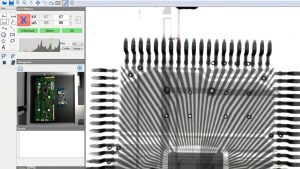
- AOI (Automated Optical Inspection), X-ray analysis for BGA and AXI inspection for defects invisible to the eye
Final Testing and Traceability:
- Each circuit board is subject to functional testing verification, which includes in-circuit testing, burn-in testing and environmental simulation such as thermal cycling and thermal shock.
- Batch coding, traceability tags and creation of full PPAP and COC for each shipment
Packaging and Supply Chain Integration:
- Custom packaging for ESD and vibration protection
- Direct delivery to automotive plants or module integrators
Prototype and Low-Volume Automotive PCB Services: PCB manufacturers also offer prototype fabrication, ideal for rapid design iterations and validation for different automotive and electronic systems before mass production.
Choosing the Right Automotive PCB Manufacturer
Price constitutes only one factor among the selection criteria for automotive circuit board manufacturers.A supplier’s technical competence and product performance are deeply tied to warranty risks and brand reputation.
Tips for Selecting an Automotive PCB Manufacturer
- Certification Review: Ensure IATF 16949, IPC-6012DA and AECQ-200 certifications are always up-to-date.
- Proven Track Record: The buyer shall request from the manufacturer relevant cases and research findings for specific automotive application fields, which cover electric vehicles, hybrid electric vehicles and advanced driver assistance systems (ADAS).
- Technical Depth: Your PCB manufacturer should be able to provide a wide variety of PCB options (rigid, flexible, rigid-flex, HDI), built for different automotive environments (including BMS, power converters, digital displays and prototype requirements).
- Testing Capability: The procurement party should inquire with the manufacturer about the specifics of its reliability testing plan, confirming whether each production batch undergoes the complete execution of THB (Temperature Humidity Bias), thermal cycling and thermal shock simulation tests.
- Engineering Support: When automotive manufacturers collaborate with leading PCB suppliers, they typically gain access to technical services such as design reviews and DFM analysis. By working closely together, the design teams from both sides ensure that product performance reaches industry-leading levels.
- Batch and Traceability Management: Full PPAP/COC, lot tracking and QA records should come standard.
Automotive PCB Design Best Practices & Tips
Best Practices for Automotive PCB Design
- Design for Reliability: Use wide traces for power, redundant connections for safety and avoid sharp angle corners which can act as stress concentration zones in the circuit board.
- Effective Thermal Management: During the design phase, the thermal layout of components must be considered. One approach is to place heat-generating electronic components near the board edges. Another approach is to incorporate heat sinks or metal cores into the PCB laminate structure.
- Signal Integrity: PCB design work must follow the principles of controlled impedance routing and matched length design, principles that are particularly critical in high-frequency communication scenarios such as high-speed CAN, FlexRay, Ethernet or radar applications.
- Testability: Always include test points for in-circuit test (ICT) and functional validation downstream.
- EMI/EMC Compliance: Shield sensitive signals; add ground pours and filtering components as needed.
- Environmental Protection: Specify conformal coating or potting for boards exposed to moisture, oil or salt.
- Documentation: Keep design and process documents ready for PPAP and regulatory submissions.
Global Automotive PCB Market: Trends, Growth and the Future
The Growing Global Automotive PCB Market
The global automotive PCB market continues to expand rapidly, driven by innovations in electric cars, ADAS, connectivity and vehicle automation.
Key Trends:
- Growth in hybrid electric vehicles, BEVs, and plug-in hybrids greatly increases demand for heavy copper, high-current power circuit boards.
- Increasing adoption of digital displays, connected infotainment, and navigation systems, all powered by high-performance, HDI or rigid-flex PCBs.
- ADAS, radar, LiDAR and sensor fusion systems drive new requirements for sophisticated and miniaturized types of PCBs.
- Sustainable automotive PCB solutions, such as recyclable substrates and lead-free solder, are becoming priorities for global carmakers.
Common Challenges & Solutions in Automotive PCB Design and Manufacturing
Top Challenges
- Density Circuit Complexity: As automotive electronic components multiply, designers face ever-smaller, denser circuit board layouts.
- Material Qualification and Supply: Evolving requirements for new substrate and solder types can lengthen qualification timelines in the automotive sector.
- Reliability Across Environments: Safe operation from icy winters to hot deserts with constant vibration and voltage/frequency fluctuations.
Practical Solutions
- Involve your PCB manufacturer early—partnering on DFM, testing methodology and sample validation minimizes costly rework.
- Qualify dual sources for PCB solutions—helps hedge against supply chain disturbances.
- Use extensive PCB assembly and test analytics—learn from field data to improve board longevity and performance for future designs.
FAQs: Automotive PCBs, PCB Manufacturers and the Automotive Circuit Board
Q: What types of PCBs are most commonly used in the automotive sector?
A: Rigid PCBs, flexible PCBs, rigid-flex PCBs and HDI PCBs are all commonly used in the automotive industry. Advanced applications will integrate metal core and ceramic PCB for heat and power management.
Q: How do PCB manufacturers ensure the reliability of automotive printed circuit boards?
A: Through high-reliability testing: thermal cycling, thermal shock, temperature humidity bias, burn-in, functional and in-circuit tests, in combination with full documentation, traceability and compliance to IATF 16949 and IPC-6012DA.
Q: Why is prototype manufacturing important?
A: Prototype PCBs enable rapid testing and adaptation, allowing automotive engineers to validate new layouts, electronic control strategies and component durability before investing in mass production.
Q: Are flexible circuit boards safe for automotive use?
A: absolutely. Flexible circuit boards (flexible PCBs) are not only safe but have become essential for many automotive applications. They are capable of withstanding repeated bending, high vibration, and thermal cycling, making them ideal for tight spaces, rotating joints (like steering wheels), seat sensors, mirror controls and display connections. When manufactured to automotive PCB standards and properly tested, flexible automotive PCBs provide both space savings and high reliability.
Q: How do rigid-flex PCBs benefit different automotive applications?
A: Rigid-flex PCBs combine the structural support of rigid boards with the adaptability of flexible PCBs, enabling three-dimensional assembly and reducing the need for connectors and separate cables. This results in lighter, more robust modules used in digital displays, camera systems, power converters and complex control units throughout vehicles. Their enhanced durability makes them ideal for critical automotive circuit boards that must fit inside compact modules and withstand shocks.
Q: What is HDI PCB and why is it important for the automotive industry?
A: HDI PCB (High Density Interconnect Printed Circuit Board) technology uses microvias and fine traces to densely pack more circuitry into smaller footprints. This is especially valuable in automotive applications where space is limited but the function—and data handling requirements—are growing. HDI PCBs enable advanced driver assistance systems (ADAS), infotainment modules, navigation systems, radar and high-speed communication modules to deliver high performance in compact assemblies.
Q: Why is it important that your PCB manufacturer is capable of full traceability?
A: In the automotive sector, safety and liability are paramount. Traceability ensures each circuit board used in a vehicle can be tracked from raw materials to specific manufacturing steps and test results. This is essential for fast root-cause analysis and targeted recalls if a defect is ever found in the field.
Q: What should I look for in PCB assembly for automotive applications?
A: Choose a partner experienced in automotive PCB services, who can offer:
- Support for a wide variety of PCB options including HDI, flexible, rigid-flex and prototype boards
- Automated SMT and THT assembly
- Functional, in-circuit and reliability testing
- Advanced PCB technology like conformal coating, potting and programmable logic
- Strong documentation and batch traceability
Conclusion & Next Steps
The rapid advance of automotive technology has made printed circuit boards central to nearly every automotive application—from the smallest sensor to the most complex vehicle communication network. In today’s automotive industry, no OEM or Tier 1 supplier can afford to compromise on the reliability, traceability or quality of the circuit boards used in their vehicles.
Key Takeaways:
- An automotive PCB manufacturer must deliver not only functionality, but also total traceability, process control, high-reliability testing and global compliance.
- The applications and types of PCBs required in modern vehicles are more varied—and critical—than ever, powering safety, performance and innovation.
- Look for partners able to offer automotive PCB services across all your needs: rigid, flexible, rigid-flex and HDI PCBs, with proven expertise in PCB assembly and automotive PCB standards compliance.
- Always engage your PCB manufacturer early in the design process for the best PCB solutions and smoothest production launches.
Whether you design advanced driver assistance systems, electric cars or high-performance automotive ECUs, success depends on a foundation of robust, high-reliability and innovative printed circuit boards. With the right PCB solutions provider, your automotive circuit board designs will not just meet but exceed the demanding requirements of the evolving automotive sector.
Have questions or need advice on a specific automotive application or prototype?
Contact a certified automotive PCB manufacturer today—ensure your next automobile project is built on a reliable automotive PCB foundation.