Introduction: Why Understanding Custom PCB Cost Matters
Controlling PCB costs directly determines the profitability or failure of a project in the electronics manufacturing field. Whether designing a simple prototype test board or developing a next-generation custom board for medical or telecommunications systems, designers in both scenarios require knowledge of the various factors that influence the unit price. These factors include material selection, layer count structure, process precision and delivery lead time.
Various purchasers will raise specific pricing questions for custom PCBs, while industry practitioners generally overlook the direct correlation between pricing outcomes and dozens of precise parameters.This complete PCB pricing and accounting guide sorts out all the core factors that affect the cost of custom PCBs.Board specification dimensions, PCB layer counts, production and manufacturing processes, and product assembly costs all fall into the core influencing categories.
Designers break down the various components of custom PCB costs and master the optimization methods for the design and manufacturing process.The ultimate goal is to achieve higher cost-effectiveness of the production model while ensuring product quality and functional characteristics.
What is a Custom PCB and Why Does It Matter?

A custom printed circuit board (custom PCB) undergoes a complete production process from initial design to finished fabrication.Each project has its own specific requirements for electrical performance, mechanical structure and industrial application.This type of board can be custom-adapted and designed in terms of form factor, circuit layout, trace width, assembly process and performance indicators.
The cost of a custom PCB encompasses a broader scope beyond material expenses. The aggregate costs incurred at every stage, from the schematic to the test board, are included. Design engineering and quality control are part of these stages. For anyone seeking custom PCB assembly services or planning a PCB prototyping project, it is essential to grasp the factors influencing the unit price.
Why Custom PCBs Typically Cost More:
- Unique layouts require additional engineering time and setup.
- Specialized materials (like Rogers or ceramic) may raise the unit price.
- Small batch sizes don’t benefit from mass production economies.
- Enhanced quality control or certifications can increase board cost.
Key Factors Influencing Custom PCB Cost Per Unit
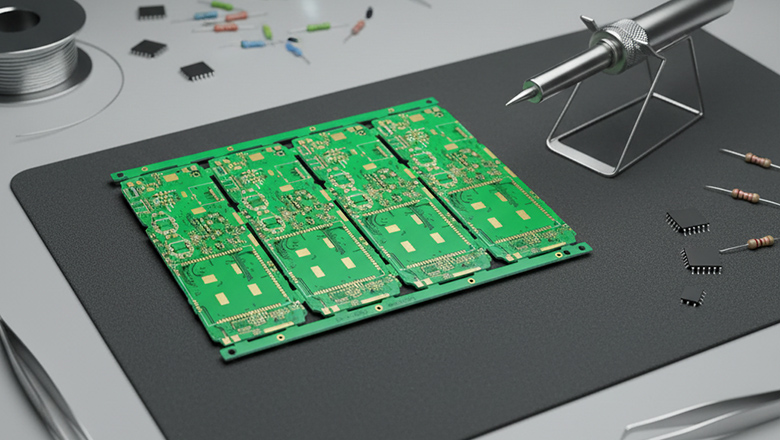
PCB projects cover two major application scenarios: prototype fabrication and mass production.The calculation of unit cost takes into account the composition of fixed costs at each stage of the design process.Each procedure in the manufacturing flow forms corresponding influencing conditions for variable costs.Various driving factors of fixed costs and variable costs jointly determine the unit cost value of the project.
Below are the key factors affecting custom PCB cost, each of which can have a large impact on the final price:
1. Board Size and Geometry
- As PCB dimensions increase, the manufacturing cost per square inch or square centimeter becomes higher, with both material costs and processing time increased accordingly.
- Unusual shapes, internal cuts, and complex outlines increase complexity and cost.
2. Number of Layers
- Single-layer PCBs have the lowest cost.The use of 4-layer, 6-layer or higher multilayer board structures results in a significant rise in both manufacturing and assembly costs.
3. Material Type
- FR4 substrate delivers favorable cost-effectiveness in most applications. Rogers or ceramic substrates are specifically designed for high-frequency or harsh-environment scenarios, and such materials generally come at a much higher price.
4. Design Complexity and Density
- Finer traces, closer pad spacing, and high component density all drive up the cost.
- Features like blind vias, buried vias and microvia technology need extra process steps.
5. Surface Finish
- HASL (Hot Air Solder Leveling) is budget-friendly.
- ENIG (Electroless Nickel Immersion Gold), OSP or gold plating add cost but improve performance and reliability.
6. Production Volume
- The more boards you order, the lower the PCB cost per unit due to spread setup fees and volume discounts.
- Prototype runs (1–10 pcs) have high cost per, while thousands of units are far cheaper per piece.
7. Assembly Cost
- Complex assembly (mixed SMT/THT, BGA components, fine pitch) increases the final cost.
- Including PCB assembly in your quote gives a more realistic total cost estimate.
8. Lead Time
- Rushed PCB manufacturing (express or 24-hr turn) increases costs by 30–200%.
- Standard lead times (5–10 days) are more affordable.
9. Quality Control and Testing Requirements
- Detailed functional testing, in-circuit testing and X-ray inspection will increase the cost of printed circuit boards. Such testing is indispensable for products with stringent reliability requirements.
10. Supplier Location and Experience
- Offshore PCB manufacturers may offer the lowest cost per, but shipping, support, and quality vary.
- The right PCB manufacturer balances cost, support, quality and speed—consider total value, not just headline price.
Types of PCBs and How They Affect the Cost
To evaluate the PCB cost required for a project, it is necessary to clarify the specific impacts ofdifferent configuration types on the unit price of custom PCBs.From prototype boards to flexible boards, various categories of custom PCBs correspond to unique manufacturing requirements.These requirements directly affect the unit price and total cost of the final product.
1. Single-Layer (Single-Sided) PCB
- The most basic printed circuit board, used in simple consumer electronics, LED modules, power supplies and calculators.
- Board cost is lowest: minimal material, straightforward manufacturing process.
- Custom PCB cost per unit for single-layer boards can be as low as $1 in high volumes or $3–$7 when ordered in small batches.
2. Double-Layer (Double-Sided) PCB
- The go-to for custom PCB design in most consumer devices, IoT boards, gadgets and more.
- Having copper traces on both sides allows for denser layouts, lower final unit price (due to saved space) and more complex circuits.
- Cost per unit is typically $1–$10 for mid-volumes; quick-turns and assembly drive up the cost.
3. Multilayer PCB
- Used in high-performance custom printed circuit boards for networking, telecommunications, advanced consumer electronics and automotive.
- More layers = increased material and fabrication effort, raising the unit price.
- Key factors affecting custom PCB cost include layer count, via style, signal impedance demands, shielding and stackup complexity.
- Typical cost per unit: $6–$25 for 4–8 layers, $20–$50+ for 10+ layer boards.
4. Flexible and Rigid-Flex PCBs
- For cutting-edge devices: wearables, medical implants, aerospace and folding smartphones.
- Made with polyimide or other flexible plastics—more expensive materials and specialized manufacturing process.
- Cost of custom PCBs in this category is higher per unit—sometimes $40–$300—depending on batch size, complexity and assembly requirements.
5. HDI (High-Density Interconnect) and Specialized PCBs
- For applications demanding microvias, ultra-small traces, and stacked layers: 5G, military, radar or RF devices.
- Cost drivers include advanced materials like Rogers, specialty lamination and 0.10 mm trace/space designs.
- Custom PCB cost per unit: $20–$150+ depending on complexity and order volume.
6. Prototype PCBs
- Used for design validation, testing and small-batch runs.
- Board cost is higher per unit compared to mass production due to setup fees and minimum order quantities.
- Rapid PCB orders (24–48hr) also raise the unit price but are invaluable for compressing time-to-market.
PCB Assembly Cost and Other Hidden Expenses

While the cost per unit for a bare custom PCB is a substantial factor, true project budgeting requires including PCB assembly cost and potential hidden fees.
What Affects PCB Assembly Cost?
- Component Sourcing: Hard-to-find or high-spec parts increase overall cost.
- Assembly Process: SMT is usually faster and less costly than THT for small runs, but fine pitch, BGA or mixed assembly increases price.
- Stencil Creation: Needed for SMT, adds ~$30–$80 per new design.
- Inspection/Testing: AOI, x-ray and in-circuit testing all add per-board cost.
Hidden PCB Cost Considerations
- File Correction/DFM Fees: If your manufacturing files require editing, expect $10–$100+ per round.
- Special Solder Mask/Silkscreen Colors: Non-standard colors (like black, blue, yellow) can add $10–$50 per batch.
- Packaging/Logistics: ESD or vacuum-sealed packaging can raise the per-unit cost, especially for sensitive or export PCBs.
- Certifications: RoHS, UL or IPC-compliant boards may have $50–$500 surcharges for documentation/testing.
How to Calculate Your Custom PCB Cost
How much does a custom PCB cost? Let’s get explicit: modern buyers expect transparent, quick answers and the best way to achieve that is by using online PCB cost estimation tools. However, understanding the full formula behind PCB pricing remains important for smart decision-making.
Factors for Custom PCB Cost Estimation
- Board size: Area in square inches or per square centimeter—larger or very small PCBs may both see higher per-unit costs due to setup, yields and waste.
- Layers, stackup, and complexity: More layers means higher cost drivers.
- Material and finish: FR4 is cheapest; Rogers/ceramic, ENIG/gold cost more.
- Assembly steps: Number and type of SMT or THT parts, board side placement.
- Quantity (volume): Lower the PCB cost per unit by leveraging bulk orders.
PCB Cost Comparison: Prototyping vs Mass Production
The difference in custom PCB cost between prototypes and mass production is immense, due to how setup and process efficiencies improve at volume.
| Batch Size | Setup Cost | Per Unit (Board Only) | Per Unit (with Assembly) | Notes |
| 5 | High | $10–$50 | $20–$65 | Best for validation |
| 50 | Moderate | $3–$10 | $7–$18 | Good for small runs |
| 1000 | Low | $0.50–$3 | $2–$8 | Best per unit price |
Key Considerations
- Setup/drivers cost is amortized over the batch; thus, the final cost per PCB is far lower for larger orders.
- For rapid PCB prototyping campaigns, paying a premium per unit is usually justified by time-to-market savings—but switch to standard lead time and mass production for the lowest possible cost per unit on the final run.
- Volume discounts often start to show substantial savings at 100+ units.
Tips to Reduce Custom PCB Cost Without Compromising Quality

Controlling custom PCB cost per unit is an engineering art and a purchasing science. Here are proven ways to achieve cost reduction while still balancing quality and performance:
- Standardize Board Sizes: Design layouts to fit common panel sizes to reduce waste and setup time.
- Limit Layer Count: Avoid unnecessary multi-layer configurations unless dictated by circuit performance.
- Select Cost-Effective Materials: Use cost-effective FR4 material unless high-frequency or harsh environment demands something else.
- Optimize Custom PCB Design: Keep trace widths above 6 mil (unless HDI required), use larger component pads and minimize via count.
- Plan for Bulk Orders: Order the highest quantity you can reliably forecast or split batches among projects to lower the PCB cost per square unit.
- Ask for DFM Feedback Early: Manufacturer input reduces respins and design adjustments that can inflate project.
- Leverage Volume Pricing and Panelization: Whenever possible, order multiple PCB designs together using “panelization” or panel sharing. This decreases setup costs, reduces waste, and takes advantage of cost per square inch pricing commonly offered by PCB manufacturers.
- Re-Evaluate Surface Finish and Special Features: Avoid premium finishes or features (such as gold fingers, ENIG or OSP) unless your application demands them. For most consumer products, HASL is a sufficient and cost-effective PCB finish.
- Source Components Strategically: Use standard, widely available parts in your BOM. Avoid obscure or end-of-life components that may raise the unit price and lead to increased assembly cost or delays.
- Extend Lead Time When Possible: If your project timeline allows, select standard or longer manufacturing cycles. Avoiding quick-turn or express production can help reduce the cost by 10–30%.
- Request Quotes from Multiple Suppliers: Use at least 2-3 online PCB cost estimation or quote tools to compare rates for your exact custom printed circuit board configuration. Competition helps reveal the most cost-effective PCB solutions—and may net you perks like free shipping or free stencils.
- Streamline Your PCB Assembly Process: Reduce the complexity of assembly (e.g., place as many SMDs on one side as possible), and minimize special processes (like selective wave soldering) that increase labor.
- Take Advantage of Design Iteration Learning: If you have multiple PCB revisions, analyze the cost impact of every change. Sometimes a tiny tweak in pad size, trace width or stackup can have outsized impact on the final PCB board cost.
- Partner with the Right PCB Manufacturer: The right PCB manufacturer provides free DFM checks, process optimization suggestions, accurate timelines, transparent breakdowns of every cost driver, and helps you balance quality and budget throughout the design and manufacturing process.
Choosing the Right PCB Manufacturer: Balancing Cost and Quality
Selecting a suitable PCB manufacturer is about building a cooperative partnership.Such a partnership provides technical support, consistent quality and real value.Its significance surpasses that of the lowest price.
What Sets Great PCB Manufacturers Apart
- Transparency: Offers detailed cost breakdowns, line items for setup, fabrication, assembly and optional add-ons. You’ll know the cost per, the drivers for pcb board cost, and where you can cut unnecessary expense.
- DFM Support: Proactively reviews your design files to catch showstoppers or cost-inflating features early—before you commit to production.
- Quality Control Practices: PCB suppliers adhering to IPC-A-600/IPC-6012, ISO 9001 or similar standards ensure not only consistent results but also smooth export/shipping documentation.
- Realistic Timelines & Capacity: A reliable manufacturing partner meets both your rapid prototyping demands and your full-scale rollouts without schedule slip or last-minute cost increases.
- Assembly Integration: Turnkey shops that offer both fabrication and assembly can help save substantially on final cost and reduce risk for errors or delays.
Common Pitfalls to Avoid
- Omitting assembly or inspection from your quote, leading to surprise cost per unit.
- Focusing solely on cost, and ending up with boards that can’t meet your custom PCB design tolerances or pass agency compliance testing.
Advanced Considerations and Cost Reduction Strategies
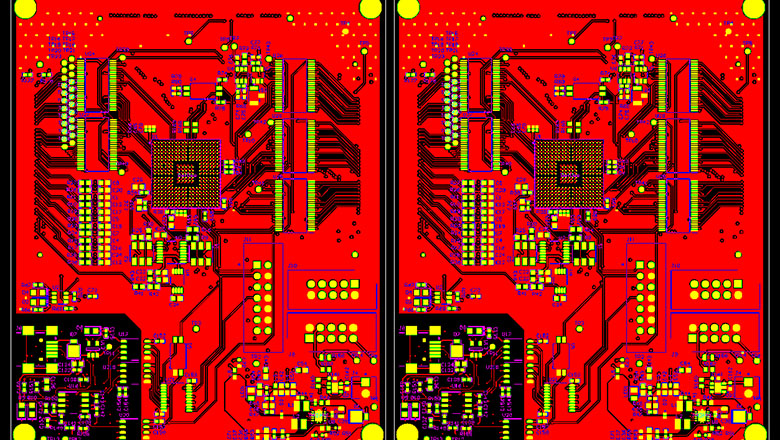
As you scale into larger production runs or more demanding product requirements, it pays to look for even more advanced ways to reduce custom PCB cost and achieve a lower final cost per unit.
1. Panelization Optimization
Some PCB manufacturers will let you fit multiple different boards on one panel (“combo panels” or “multi-job panelization”). For multi-product teams or product variants, this can maximize utilization and dramatically lower the cost per square inch across projects.
2. Alternative Material Selection
Do you truly need Rogers laminate for your RF board or can a high-end FR4 variant suffice? Modern high-Tg and low-loss FR4 materials can sometimes achieve near-Rogers performance at much lower cost.
3. Revisit Testing and Quality Control Levels
Not all products require burn-in or X-ray on 100% of boards. Discuss with your supplier about sample-based testing strategies that can control costs without compromising essential reliability.
4. Collaborate for Yield Improvement
If you encounter yield issues (e.g., from challenging design rules or fine-pitch BGAs), work directly with your PCB manufacturer to adjust tolerances and processing, rather than just “throwing away” failed units.
5. Take Advantage of Long-Term Relationships
Many manufacturers offer price breaks, priority support or extra services to repeat buyers. Building a partnership—not just shopping for price—can help you secure consistent, cost-effective PCB supply during supply chain disruptions.
FAQ: Your Top Custom PCB Cost Questions Answered
How much does a custom PCB cost per unit?
The cost per unit varies widely: from under $1 for simple, large-batch PCBs to $40–$200 per unit for advanced, rigid-flex, or multilayer boards in low volume. For most typical two- to four-layer boards under 100x100mm, expect $2–$12 per unit for the bare board in 100–500 piece orders.
What are the key factors influencing custom PCB cost?
The most important cost drivers are board size, layer count, material choice, finish, assembly complexity, production volume and lead time. Each directly impacts the final cost per printed circuit board.
What is included in the assembly cost?
Assembly cost covers solder stencil, placement (SMT/THT), reflow or wave soldering, basic inspection, and sometimes component sourcing. Advanced testing, packaging, and shipping are typically extra and should be discussed at the quoting stage.
Is bulk ordering always more cost effective?
Bulk orders often provide dramatic cost reduction by spreading setup over a larger run, but very large batch sizes may not make sense for products likely to be revised—always balance inventory risk and iteration cycles.
Does using a domestic PCB manufacturer help reduce custom PCB cost?
Domestic producers sometimes offer lower shipping and faster support, but may have higher unit pricing. For large, ongoing projects, “hybrid sourcing” (prototype locally, mass-produce globally) can yield both speed and savings.
How do I calculate the cost of my custom PCB in advance?
Use an online PCB quote calculator from your target supplier, enter all design and assembly details, and request a full breakdown with itemized cost per unit.
How can I reduce the cost of custom PCBs without compromising on reliability?
Apply DFM rules, select cost-effective finishes, use standard materials, optimize design for manufacturer panel size, and partner with a supplier proven for both quality and scalability.
What are typical specific costs that can be reduced?
Reducing via counts, avoiding unnecessary gold or selective finishes, limiting layers or choosing more common component sizes can lead to substantial cost estimates dropping in both board and assembly cost.
Conclusion: Achieving Cost-Effective PCBs for Every Project
Understanding custom PCB cost means looking beyond the headline number. By analyzing key factors influencing custom PCB cost per unit, reviewing all cost drivers, and collaborating with a transparent PCB manufacturing partner, you can hit your cost per unit target without sacrificing performance.
Key steps to remember:
- Get multiple cost estimates and use online PCB cost calculation tools to inform your budgeting.
- Specify the right balance of materials, complexity, and features for your application—don’t under-design, but avoid costly overengineering.
- Build relationships with your PCB manufacturer and assembly provider—they are essential team members, not just vendors.
- Always review your project after the first batch: continuously look for ways to reduce the cost of custom PCBs by optimizing both design and ordering practices.
A thoughtful approach to custom PCB cost will not only lower the PCB cost for your next project but will also give you an edge in launch timing, product quality and market competitiveness.