Introduction to HASL in PCB Manufacturing
The manufacturing process of a printed circuit board involves the coordination and connection of multiple precision steps. At the end of this process, a protective surface coating needs to be applied to the board. Among the various surface treatment processes available, Hot Air Solder Leveling technology is quite widely used in industrial applications. This technology first involves covering the copper surface with solder, and then using a hot air knife to level the excess material. Its core function includes two aspects: one is to block air to prevent oxidation of the copper surface, and the other is to create a base layer on the copper surface that allows for direct soldering of components. Electronics enthusiasts, professional hardware engineers, and production personnel at PCB manufacturing companies all need to clearly understand the specific reasons why the HASL process remains commonly used, have a precise understanding of the complete process by which this technology achieves protection and solderability, and accurately determine under which design requirements it represents the optimal choice.
Surface finish is crucial to both the long-term reliability of the PCB and its performance during assembly. The HASL surface finish offers a robust, economical, and highly solderable layer that makes it an appropriate surface finish for various environments. In this guide, we’ll explore the hot air solder leveling process, best practices, key parameters such as solder temperature and leveling process, and how HASL compares to other surface finish options commonly used in PCB manufacturing.
What Is HASL? Exploring the Surface Finish Used in PCB Manufacturing
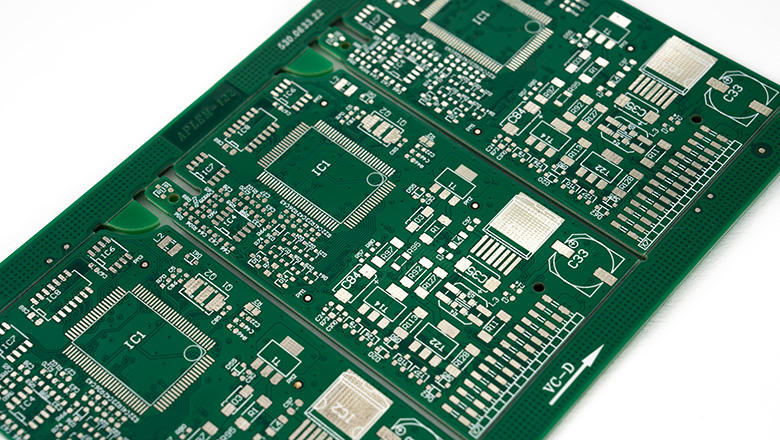
Hot air solder leveling is a type of surface finish method used in the PCB manufacturing process. This technique performs two fundamental tasks. The first task is to complete the coverage protection for the exposed copper surface. The second task is to create a solderable area on the copper surface. The intended objectives for surface finish methods like HASL are focused on two aspects.
- Prevent oxidation of the copper surface, ensuring long-term preservation.
- Provide a level, solderable surface for component attachment during the assembly process.
HASL is one of the oldest and most widely used surface finishes in the PCB industry. Its primary function is to deposit a thin, uniform coating of solder on all exposed copper surfaces, such as pads, traces and through-hole vias. This coating on the PCB is essential for solder joint formation during both wave and reflow soldering.
Key Features
- Protection for Exposed Copper Surface:Prevents tarnish, oxidation or corrosion before PCB assembly.
- Surface for Component Attachment:Ensures strong wetting and robust solder joints.
- Cost-Efficient:Compared to other surface finish options, HASL offers a low-cost solution for most board designs.
Why Is Surface Finish Crucial in PCBs?
The final performance, operational reliability, and manufacturability of a PCB are directly linked to the correct selection of its surface finish. The specific steps of the HASL process are carried out in a fixed sequence. The cleaning task is performed first. Following that, a layer of solder is applied to the board surface. Next, equipment is used to level the excess solder. The purpose of the leveling operation is to create a flat surface. Component placement requires such a flat condition as its foundation. The HASL process has therefore become a standard option for many manufacturers.
LHD TECH’S Hot Air Solder Leveling Process: Key Steps and Parameters
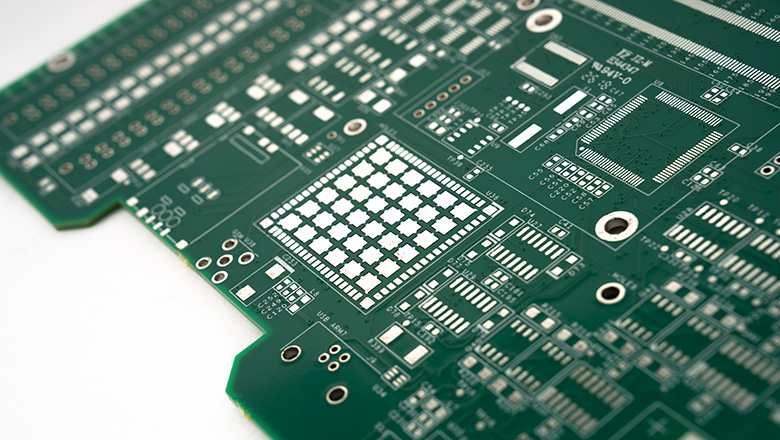
The HASL process consists of multiple operational steps. Each step is strictly controlled, and the various parameters require precise setting. To ensure the reliability of the final surface finish, this process must include the following key stages:
1. Cleaning the PCB
The PCB is cleaned and coated to remove any contaminants or oxides on the copper surface. Micro-etching and chemical cleaning ensure the copper surface is pristine and highly receptive to solder.
2. Flux Application
Flux is generously applied to the cleaned copper surface. This chemically removes residual oxidation and enhances the wetting of the solder.
3. Immersion in Solder Bath
The PCB is immersed in a bath of molten solder. The “hot air solder leveling process” ensures that all exposed copper is coated with a uniform layer of solder. Typical solder temperature ranges from 245°C–265°C for lead-free HASL and 235°C–245°C for leaded HASL.
4. Leveling Process with Hot Air Knives
After immersion, the PCB is rapidly withdrawn. High-pressure hot air knives blow excess solder from the PCB surface, creating an even surface for the component attachment. The leveling process is what distinguishes HASL from other surface finish techniques.
- Solder Thickness:The thickness of the solder coating must be uniform. An excessively thick coating will cause bridging on fine pitch pads, while an excessively thin coating will expose the copper surface.
- Air Knife Pressure/Angle:These critical parameters control the spreading uniformity of the solder on the copper surface and the amount of excess solder blown off by regulating the temperature and air pressure. The settings of these parameters directly impact the surface flatness and coverage quality of the final solder coating.
5. Post-Treatment and Inspection
The PCB has undergone a thorough cleaning process.All flux residues on the PCB surface have been completely removed.Visual inspection has been carried out and confirms that the solder coating provides complete coverage.There is no exposed copper on the PCB surface.
Diagram: HASL Process Flow
| Step | Key Detail |
| PCB is cleaned | Surface prepared for good solder wetting |
| Flux is applied | Removes oxides/enhances solder wetting |
| PCB is immersed | Solder coats all exposed copper surfaces |
| Hot air knives blow | Excess solder is removed from the PCB surface |
| Inspection | Checks for evenness, no exposed copper, or defects |
Why HASL Remains the Most Common Surface Finish
HASL is a viable option and a preferred process for PCB manufacturers. This method is highly cost-competitive and provides a reliable solderable and oxidation-resistant coating. The hot air solder leveling process offers good fault tolerance and is compatible with a wide range of standard PCB production processes. This finish has become the most common surface treatment, spanning applications from prototype boards to mass-market consumer products.
Benefits That Make HASL Ubiquitous:
- Compatible with Standard Assembly Processes:The solder coating produced by the HASL process exhibits high reliability. This coating demonstrates excellent performance in both wave soldering and reflow soldering processes.
- Long Shelf Life:The coating protects the copper surface for years, even in harsh storage conditions.
- Repair and Rework Friendly:Solder joints can be easily reworked or modified.
- Widely Available:Almost every PCB manufacturer is equipped to use the HASL process.
Why HASL is Suitable for Many Applications
- Standard pitch and through-hole boards
- Low to medium volume manufacturing
- Boards needing excellent solderability but not extreme flatness
Leaded HASL vs. Lead-Free HASL: Differences and When to Use Each
Both the leaded Hot Air Solder Leveling (HASL) process and the lead-free Hot Air Solder Leveling (HASL) process can be used in the manufacturing of Printed Circuit Boards (PCBs). The choice of which type to use depends, on one hand, on the regulatory requirements the product must comply with, and on the other hand, on the product’s intended end-use.
Leaded HASL Uses:
- Uses the classic Sn63Pb37 alloy.
- Has a lower solder temperature, reducing thermal stress on the PCB during the leveling process.
- Provides a very shiny, uniform surface and is forgiving for manual soldering.
Lead-Free HASL Uses:
- Employs alloys such as Sn99.3Cu0.7 or Sn96.5Ag3.0Cu0.5.
- Higher solder temperature is required, which can cause thermal stress on the PCB and affect some heat-sensitive laminates.
- Slightly duller appearance, but fully compatible with RoHS and global recycling standards.
When to Use Each:
- Leaded HASL:Still used for applications where RoHS compliance is not required, such as military, aviation, certain industrial controls, or legacy maintenance.
- Lead-Free HASL:Preferred in mass-market electronics, consumer devices, and any market where environmental compliance is required. Lead-free HASL is now the default for most new PCB manufacturing processes, ensuring compatibility with increasingly strict environmental regulations worldwide.
Advantages of HASL: Why PCB Manufacturers Choose HASL
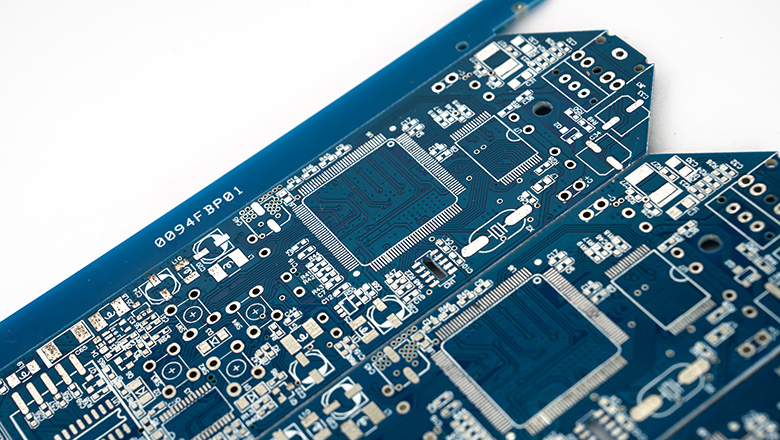
1. Excellent Solderability
HASL coating provides excellent solder wetting, forming robust solder joints during both wave and reflow soldering. This makes HASL surface finish a choice for many PCB applications and a favorite among PCB manufacturers.
2. Cost Effectiveness
As a common surface finish, HASL remains a viable option for cost-sensitive projects. It offers great performance compared to other surface finishes like ENIG, at a much lower price point.
3. Oxidation Protection
The leveling process leaves a continuous layer of solder, effectively sealing off the copper surface and protecting it from environmental degradation during storage and handling.
4. Repair Friendliness
Whether reworking or repairing a PCB, HASL allows excess solder to be easily removed and replaced—ideal for prototype and low-volume runs.
5. Wide Availability
Most global PCB manufacturers offer HASL as a standard finish, ensuring fast lead times and simple logistics.
6. Versatility
HASL can be used in PCB designs with standard pitch and pad sizes, making it appropriate for consumer, industrial, and some automotive boards.
Disadvantages of HASL: When to Consider Another PCB Surface Finish
While HASL is a widely used surface finish, it’s not always the right surface finish for every design or application. HASL requires consideration of several potential drawbacks, especially as PCB technology advances:
1. Uneven Surface and Solder Thickness
The leveling process, while effective, can leave a slightly uneven surface, particularly on fine-pitch pads or BGA sites. Solder thickness can affect solder paste printing and component coplanarity during reflow soldering.
2. Thermal Stress on the PCB
Higher solder temperature—especially for lead-free HASL—can put thermal stress on the PCB laminate, risking warping or delamination on thinner or complex boards.
3. Not Ideal for High Density or HDI Applications
When traces of a PCB run very close together, or for BGA/fine-pitch components, HASL’s lack of absolute flatness compared to other surface finishes can lead to solder bridging and placement defects.
4. Environmental Limitations
Leaded HASL cannot be used in RoHS compliant or eco-sensitive markets.
5. Surface Appearance
Occasionally, dull or matte spots may appear if process control is lacking, but this generally does not impact performance if the solder coating is even and continuous.
HASL vs. Other Surface Finishes: How to Select the Appropriate Surface Finish
Key Factors in “HASL vs.” Comparison:
HASL vs. ENIG: ENIG offers unsurpassed flatness, key for HDI, BGAs, and high-speed signals, while HASL is more cost-effective and well suited for less dense boards.
HASL vs. OSP: OSP provides a flat, organic finish. It’s lead-free and eco-friendly but less robust for long storage or harsh assembly conditions, compared to the reliable coating on the PCB provided by HASL.
HASL vs. Immersion Silver/Tin: Immersion finishes give superior flatness and are used in PCB designs with high-frequency traces, but can be costlier or require stricter handling during storage.
HASL Compared to Other Common Surface Finish Options
| Finish Type | Flatness | Shelf Life | Cost | Solderability | Used In PCB Designs (Typical) |
| HASL | Fair | Long | Low | Excellent | Consumer, industrial, low/med. density |
| ENIG | Excellent | Long | Higher | Very Good | HDI, high-frequency, fine pitch |
| OSP | Excellent | Short | Low | Excellent | Short-lifecycle consumer/smt |
| Immersion Silver | Excellent | Medium | Medium | Very Good | RF, memory modules |
| Immersion Tin | Very Good | Medium | Medium | Very Good | Telecom, auto, computer HW |
Real-World PCB Applications: When HASL Is Suitable
- White Goods Electronics: Control panels for washing machines or ovens often use HASL because the even surface for component attachment is not as critical as cost.
- Industrial Automation: PLC modules and motor drivers used in PCB-based manufacturing retain HASL for its reliability and longevity.
- Legacy and Repair Boards: Many repair shops request HASL for replacement parts due to its universality and ease of soldering.
- Prototyping and Hobbyist Projects: The widely used surface finish makes HASL a staple choice for design validation and small-batch runs.
Ensuring Quality: Best Practices in HASL and Troubleshooting
Best Practices
- Ensure the PCB is cleaned and coated thoroughly before soldering.
- Monitor solder temperature and air knife pressure to reduce variation in solder thickness and surface finish quality.
- Optimize the leveling process: Proper air knife settings remove excess solder from the PCB and yield consistent coatings.
- Perform visual and X-ray inspections to check for uncoated copper surface, solder bridges or pad doming.
- Audit each manufacturing process batch for even surface finish, as uneven surface defects may compromise component soldering.
Troubleshooting Common Surface Finish Issues
- Uneven Surface or Solder Thickness?
- Review solder bath temperature and air knife setup.
- Dull, Non-Shiny Areas?
- Review solder alloy quality and cleaning process.
- Exposed Copper Surface?
- Clean more thoroughly and increase dwell time in solder bath.
- Solder Bridges or Excess Solder?
- Adjust spacing of pads in design, lower solder volume, and fine-tune air knife angle.
Expert Tips for PCB Design and Manufacturing with HASL
- Choose the right surface finish early in the PCB design process by consulting with your PCB manufacturer to match board layout to finish strengths.
- Maintain appropriate spacing for component pads to minimize bridging when using hot air solder leveling.
- Specify “lead-free HASL” in fabrication notes for compliance if necessary.
- Request solder thickness data from your manufacturer; this ensures you get an even surface for component attachment.
- Consider HASL for prototypes and first articles; rework is easier and turnaround is faster.
Frequently Asked Questions about HASL and PCB Surface Finish
Q1: Is HASL a suitable surface finish for high-frequency or impedance-controlled PCBs?
While HASL can be used in many PCB applications, for high-frequency traces and strict impedance control, a flatter finish like ENIG is more appropriate.
Q2: Can I use HASL on flexible or rigid-flex PCBs?
Generally not, as the high solder temperature and leveling process can warp or damage flexible materials. Choose OSP or immersion finishes instead.
Q3: Is HASL still a good choice now that there are so many other surface finish options?
Yes—HASL remains a viable option and a common surface finish, especially for boards where cost, robust solderability and repairable PCB finish are crucial.
Q4: What’s the storage life of HASL-finished PCBs?
With proper packing in a dry environment, HASL PCB surface finish maintains solderability for years, making it a widely used surface finish for stock or delayed assembly.
Conclusion: Make HASL Work for Your Next PCB
Choosing the right surface finish can make or break your PCB project. While PCB manufacturing techniques continue to evolve, the fundamental benefits of HASL (Hot Air Solder Leveling) have stood the test of time. As one of the most widely used surface finishes in the PCB industry, HASL provides a robust coating on the PCB that supports reliable soldering, protects the exposed copper surface, and allows flexibility in assembly methods.
Key Takeaways: Why HASL Remains a Go-To PCB Surface Finish
- HASL is one of the most cost-effective and reliable finishes offered by PCB manufacturers, making it a default choice for countless applications.
- The hot air solder leveling process ensures all exposed copper surfaces are protected and solderable, even for boards in long-term storage.
- HASL provides an effective surface for component attachment, with a solder coating that offers excellent wetting during both wave and reflow soldering.
- For boards where the challenges of an uneven surface or increased thermal stress on the PCB are manageable, HASL shines as the right surface finish.
- HASL is suitable for prototypes, consumer electronics, industrial automation, and legacy designs, and remains a viable option where environmental regulations permit.
However, as PCBs push the limits with fine-pitch layouts, HDI architectures, and high-frequency design, you may need to select the appropriate surface finish with the help of your PCB manufacturer. Compare HASL vs. other options such as ENIG, OSP or immersion finishes for those specialized needs.