
Introduction
Over the past 10 years, LHD TECH has witnessed a revolution in the electronics industry – the application of flexible PCBS (also known as flexible printed circuit boards) has experienced explosive growth. Unlike the control drive of traditional heavy industry, this kind of circuit board that can bend, fold and flexibly adapt to various compact and dynamic products,flexible PCBs are expected to become a cornerstone technology in the fields of consumer electronics, medical equipment, automotive applications, wearable devices and industrial automation. Unlike traditional rigid PCBS, flexible PCBS, with their innovative materials and advanced pcb fabrication technologies, have truly opened up new horizons in design, assembly and product functionality. Besides developing soft furnishing electronic products, they have also elevated the comprehensive functions of medical clinical devices to several levels.
Behind the progress of intelligent technology products in today’s market, the basic primary materials of flexible PCB is indispensable – from polymer substrates, conductors, to adhesives and protective layers, every step is of vital importance. As new flexible PCB manufacturing technologies continue to drive products towards smaller, faster and more durable sizes, our product R&D team has deeply realized that material selection is actually more important than ever before. It is not difficult to see that choosing the right materials used in flexible PCB is the key to ensuring product reliability, excellent performance, and compliance with increasingly strict environmental protection requirements. So how can one choose the right materials? What key elements should be noted when choosing the right materials? Let’s learn about and discuss it together.
What Is the Primary Material of Flexible PCB?
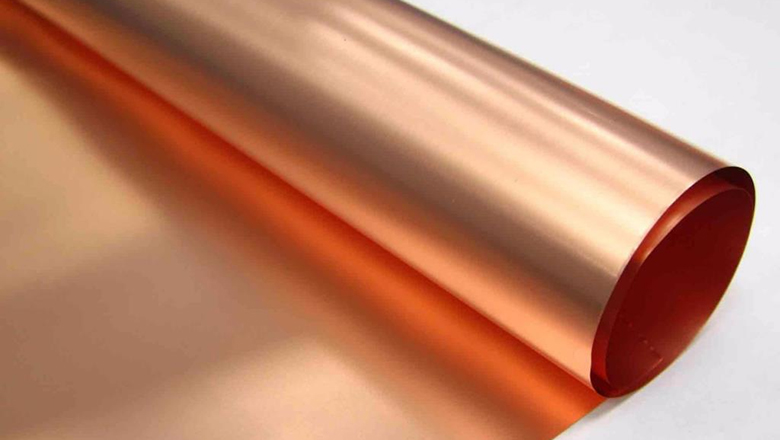
Let’s first take a look at the basic concepts. When it comes to the main materials of flexible PCBS (also known as flexible circuit board or flexible printed circuit), they are actually mainly four parts: substrate, conductor, adhesive and protective film. Here, the substrate material can be said to be the “foundation” of the entire circuit. At present, the most commonly used ones are polyimide film (PI) and polyester film (PET), because they are indeed versatile – they are insulating, heat-resistant and flexible enough.
Then what about the conductive layer? It is basically made of copper foil. The layers are bonded together with adhesives, and a protective covering film or coating is added to the outermost layer, which is equivalent to putting on a “protective suit” for the circuit, preventing dust, moisture and mechanical damage. In simple terms, it is precisely this set of material combinations that enables flexible circuits to be both bent and work reliably.
Why the Substrate Material Used in Flexible PCB Is Critical
By observing the actual products that use flexible PCBS for analysis,the substrate material used in flexible PCB design determines:
- Flexibility: How tightly a circuit can bend around corners, creases, or dynamic assemblies.
- Mechanical Durability: The ability to withstand millions of bending cycles (important in wearables and automotive flex circuits).
- Thermal Endurance: Resistance to high soldering temperatures, thermal cycling, and heat during device operation.
- Moisture Absorption & Chemical Resistance: Essential for medical, industrial, and outdoor electronics.
- Dielectric and High-Speed Performance: Supports signal integrity for sensitive, high-speed digital circuits.
The Structure of Flexible Printed Circuit Boards
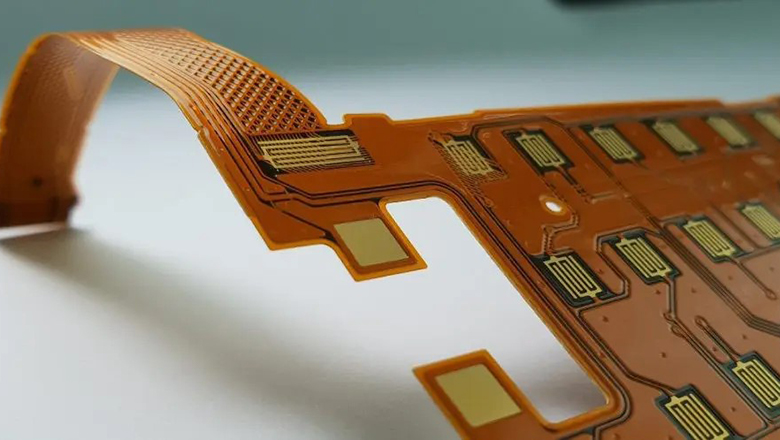
In fact, a typical flexible printed circuit board is like a carefully matched “multi-layer sandwich”. Each layer of material is not randomly selected. They each perform their own duties and work closely together to ultimately achieve the ideal effect we desire – it must not only ensure stable electrical signal transmission but also be physically resistant to bending and reliable.
Main Layers and Materials in a Flexible PCB:
- Flexible Substrate (PI or PET)—mechanical backbone and electrical insulator
- Copper Foil Conductive Layer—This is the part of the flexible board that truly conducts current. Through etching, fine circuits and connection points are formed, which can be compared to the “nerve veins” and “energy blood vessels” of the circuit
- Adhesive (acrylic, modified epoxy resin, or PI resin)—bonds copper and films, contributing to thermal and mechanical properties
- Coverlay or Solder Mask—protects the surface, insulates conductors, and allows selective exposure of pads
- Optional Stiffener (e.g., FR-4, PI, or stainless steel)—Because it is a flexible PCB, to facilitate the installation of components or interface positions, we often attach such a reinforcing board locally
- EMI Shielding Film—To resist external electromagnetic interference and prevent the leakage of its own signal, this shielding film is added to the outer layer of the circuit, but it is just a very thin layer of copper foil or conductive silver paste
- Release Liner—temporary layer used during the manufacturing process to protect films and adhesives
Main Materials and Their Functions in Flexible PCBs
| Layer | Main Materials Used | Role/Function |
| Substrate | Polyimide film (PI), Polyester (PET), LCP, PTFE, PEN | Mechanical backbone, electrical insulation |
| Conductor | Copper foil (RA, ED), Conductive paste, Silver ink | Signal routing, power transmission |
| Adhesive | Modified epoxy, acrylic, PI/PET resin, adhesive-free | Bonds layers, controls flexibility/thermal resistance |
| Coverlay | Polyimide, PET, Photosensitive PI, solder mask | Environmental/mechanical protection |
| Stiffener | FR-4, Polyimide, Stainless/Aluminum | Localized rigidity, durability at connection points |
| Shielding | Copper foil, Aluminum, Conductive silver paste | EMI mitigation, signal integrity |
Core Materials Used in Flexible PCBs
Polyimide Film (PI) Substrate
Polyimide substrate is the industry standard for flexible PCB manufacturing. Known as “Kapton” in its original DuPont incarnation, PI remains the most trusted substrate for demanding electronics.
Properties of Polyimide Film:
- Outstanding heat resistance (enduring soldering up to 260°C)
- Excellent mechanical strength and dynamic flex life
- Good electrical insulation and low dielectric loss for high-speed circuits
- Resistance to chemicals and solvents
- Moderate moisture absorption (upgraded grades available with better humidity performance)
- Halogen-free and RoHS-compliant grades available
This is a classification and description table of the application of flexible PCB:
| Application field | Description and typical products |
| Medical and health care | Wearable health monitors and implantable vital sign monitors |
| Aerospace | An indispensable connection solution in satellite, spacecraft and aircraft avionics systems |
| Automotive electronics | It is used for the interconnection of key sensors, battery management systems (BMS), and central control infotainment modules |
| Consumer electronics | It is applied to the hinge area circuit of foldable screen mobile phones, smartwatches/bracelets and other wearable devices |
Polyester (PET) and Other Substrates
Polyester (PET) film is a popular and commonly used low-cost substrate material in mass-market consumer electronics.
Properties of PET:
- Lower temperature resistance (max ~120°C), unsuitable for lead-free soldering
- Good chemical resistance and minimal moisture absorption
- Cost-effective for single-use or static bending applications
- Widely used in simple digital circuits and LED light strips
PEN, PTFE, Aramid, and Advanced Flexible Substrates
To address the special challenges in modern circuit design (such as extremely high temperatures, dynamic bending or biocompatibility requirements), in addition to the common polyimide and PET, the industry has developed a series of high-performance substrate materials used in flexible PCBs.
PEN (Polyethylene Naphthalate)
If PET is the “economical and practical version” of flexible substrates, then PEN substrate is like its “upgraded performance version”.
It has improved in several key indicators: better heat resistance (up to around 150℃), more stable size, and less prone to moisture absorption. Although its overall performance still cannot match that of the “gold standard” polyimide, the advantage of PEN lies in that while it enhances the grade, it still maintains a good cost performance.
Therefore, it often appears in scenarios where stronger performance than PET is required but extreme high-temperature welding is not necessary. For instance, for the nozzles of printers, the internal connection circuits of display panels, and some mid-to-high-end consumer electronic products that pursue more refined circuit designs, PEN is just right.
PTFE (Polytetrafluoroethylene)
When it comes to the “performance king” among flexible PCB substrates, PTFE substrates (more commonly known as “Teflon”) is definitely one of them. Its most remarkable feature lies in its electrical performance – extremely low dielectric loss, fast and clean signal transmission, and it can be regarded as the “ceiling” of high-frequency digital circuits and RF/microwave applications.
However, this material is also rather “delicate” : it is relatively soft in texture, difficult to process and costly. So it is generally not used in ordinary consumer electronics, but rather focuses on fields that have extremely high performance requirements and are not so sensitive to cost, such as high-end aerospace equipment, military radars or top-notch communication base stations. Simply put, it is a special material designed for devices that “pursue performance at all costs”.
Aramid
Aramid fiber substrates are considered a relatively “high-end” but powerful type in the field of flexible PCBS. It’s somewhat like putting on a “bulletproof vest” for the circuit board – not only does it have extremely high mechanical strength, but it also has excellent thermal stability, capable of withstanding high-intensity physical impacts and harsh temperature environments.
Advanced Flexible Substrates
LCP (Liquid Crystal Polymer) is now making waves the materials used in flexible PCBs and is rapidly becoming one of the preferred materials for high-end applications such as 5G antennas, wearable devices, precision medical implants, and high-speed digital circuits. Its popularity is inseparable from the following major advantages:
- Ultra-low moisture absorption (practically zero)
- Excellent heat resistance and thermal dimensional stability
- Very low dielectric constant and loss, ideal for RF and millimeter-wave circuits
It can be said that the emergence of flexible substrates like LCP and various advanced composite materials has truly become the “behind-the-scenes driving force” of the new generation of flexible circuit manufacturing technology. It is precisely the breakthroughs in these materials that have made more refined, high-frequency and reliable circuit designs possible, and have directly given rise to the implementation of many cutting-edge applications today.
Eco-Friendly and Halogen-Free Options
With increasing regulations on hazardous substances in electronics (RoHS, WEEE), the PCB industry is moving rapidly toward eco-friendly and halogen-free flexible PCB materials.
- Halogen-free polyimide and PET variants, as well as adhesives and coverlays, make it possible to meet even the toughest EU compliance standards.
- Biodegradable or recyclable substrate materials are emerging to support green initiatives and reduce the environmental impact of mass-market flexible pcbs.
In the process of flexible pcb manufacturing, always specify compliance and request environmental and safety certifications for all main materials used in flexible PCBs.
Conductive Layer: Copper Foil and Alternatives
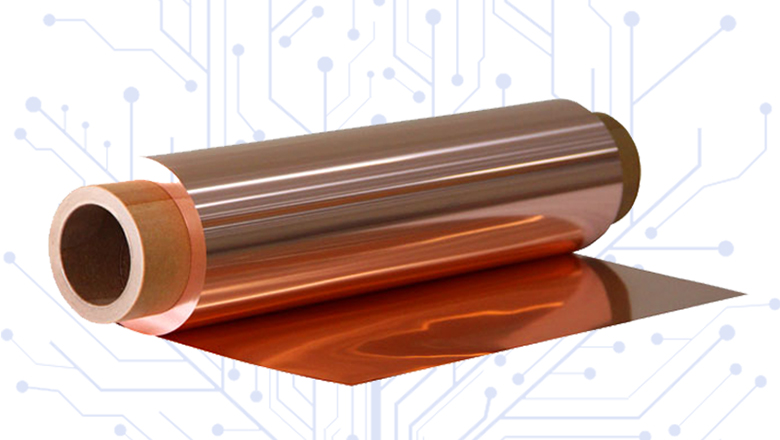
The conductive “backbone” of flexible PCBS is invariably copper foil. In dynamic scenarios where repeated bending is required, RA copper foil (rolled copper foil) is often the first choice.
RA copper foil is commonly used in dynamic flex applications due to its columnar grain structure,it is like endowing the copper foil with “muscle memory”, making it not only more flexible when bent but also highly resistant to fatigue, capable of withstanding tens of thousands of bending tests.
For this reason, it has become an ideal choice for wearable devices, mobile phone camera modules, and all other flexible circuits that need to “move” – simply put, wherever the circuit needs to be bent every day, it is suitable for use.
The main types are:
1. Rolled and Annealed (RA) Copper Foil
2. Electrodeposited (ED) Copper Foil
3. Conductive Silver Paste and Conductive Inks
| Copper Foil/Conductor Type | Used In Flexible PCB | Key Characteristics |
| RA Copper Foil | Dynamic applications, flex | Highest mechanical durability, smooth surface |
| ED Copper Foil | Static, HDI, fine-pitch | High circuit density, lower cost, less fatigue resistance |
| Conductive Silver Paste | RFID, flexible sensors | Printable, flexible, rapid cure |
Selecting the right copper foil and substrate material is crucial for the reliability of flexible PCBs. So, choosing the right materials is like building with the right blocks – it must ensure that the circuit board can both “run fast” (with stable electrical performance) and “bear weight” (with sufficient mechanical strength), and both aspects need to be taken into consideration.
Adhesives, Coverlays, and Protective Layers
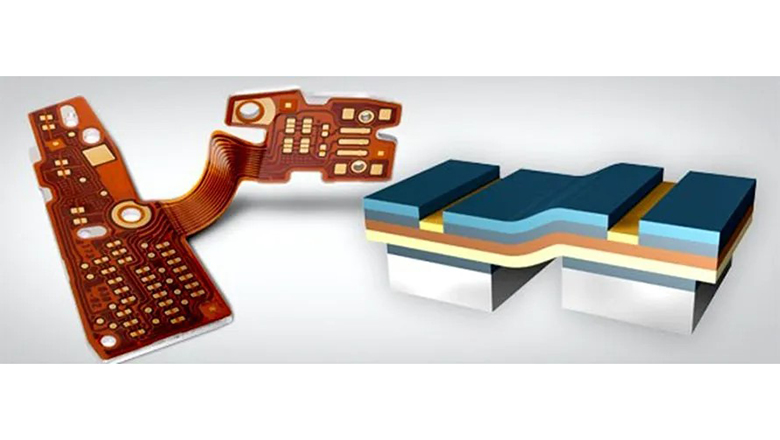
Types of Adhesives
Adhesives used in flexible PCB fabrication responsible for firmly bonding each layer of material together. But it’s not just about sticking firmly; it also directly affects whether the circuit board can withstand high temperatures, is easy to process, and remains stable in the face of moisture, cold and heat.
- Acrylic adhesives are versatile, cost-effective, and suitable for most standard applications.
- Modified epoxy resin adhesives offer higher temperature endurance, robustness, and compatibility with lead-free soldering.
- Polyimide and PET-based adhesives provide best-in-class flex and thermal performance, supporting demanding military and aerospace circuits.
Coverlay and Solder Mask
Coverlay (polyimide film or photosensitive PI) and solder mask protect the circuit from moisture, dust, and mechanical abrasion.
- Photosensitive PI Coverlay (PIC) allows tight, high-density circuits with fine windows for SMT pads and microvias.
- To save costs or simplify production steps, some designs directly use solder mask ink to replace the covering film. This approach is more frequently used in semi-rigid or rigid-flexible combined circuit boards.
Protective and Environmental Layers
EMI shielding films (typically made of materials such as copper, aluminum or silver paste) are like a “protective shield” covering high-speed digital and analog circuits, specifically designed to resist external electromagnetic interference. This can be said to be an indispensable part in the PCB materials of medical devices, automotive electronics and wireless communication circuits.
Multi-layer Structures: FCCL, Stiffeners, and EMI Shielding
Flexible Copper Clad Laminate (FCCL) is the core of multilayer flex and rigid-flex pcbs, available as:
- Two-layer FCCL (2L-FCCL, adhesive-free): Higher performance, better reliability of flexible PCBs under repeated dynamic bending, used in high-end and mission-critical electronics.
- Three-layer FCCL (3L-FCCL with adhesive): More cost-effective for consumer electronics, suitable for flexible circuits with fewer flex cycles.
Design Tips for Reliable Flexible PCBs
Drawing from years of PCB manufacturing and flex PCB materials experience:
- Involve material suppliers early: Modern electronics often require custom stackups or special film thickness for yield or regulatory reasons.
- Design for process compatibility: Ensure selected materials are suitable for flexible PCB fabrication technologies—roll-to-roll, lamination, or film coating.
- Protect high-speed circuits: Always use EMI shielding or ground planes for high-speed digital circuits and radio frequency applications.
- Prototype with scale in mind: What works in a single PCB prototype may need adjustment for mass production.
Selecting Materials for Flexible PCB Manufacturing
| Material selection dimensions | Key considerations | Explanations and Suggestions |
| Comprehensive demand balance | Cost, mechanical performance, electrical performance, environmental adaptability | There is no such thing as a “perfect” material. Priorities and trade-offs should be made based on the actual application scenarios of the product (for instance, consumer electronics focus on cost, while automotive electronics focus on reliability). |
| Follow industry norms | The main materials are IPC-6013 (Flexible Circuit Performance Standard) and IPC-2223 (Flexible Circuit Design Standard). | This is the foundation for ensuring the reliability and manufacture ability of the design, especially in fields with high reliability requirements, where the testing and design rules in the standards should be strictly followed. |
| Differentiated material selection for key areas | For different areas such as high-stress zones, dynamic bending zones, and static installation zones, evaluate and select respectively:
• Substrate (PI, PET, LCP, etc.) • Copper foil type (RA, ED • Adhesives and coatings |
The strategy of using a single material for the entire board should not be adopted. For instance, high ductility RA copper foil and flexible covering film should be used in dynamic bending areas, while reinforcing plates can be added locally at installation interfaces. |
| Verify the properties of key materials | It must be confirmed that the following attributes meet the application requirements:
• Coefficient of thermal expansion, glass transition temperature • Moisture absorption rate, dielectric strength • Others (such as peel strength, chemical resistance) |
These parameters directly affect the reliability of the PCB under high temperature, high humidity, voltage and long-term use. Be sure to request a detailed data sheet from the material supplier and verify it. |
Innovations, Trends, and the Future of Flexible PCBs
The reliability of flexible PCB is no longer a limiting factor—thanks to the advent of new flexible PCB fabrication technologies. Recent trends include:
- Roll-to-roll manufacturing for kilometer-scale production efficiency in consumer electronics.
- Development of recyclable PCB materials and biodegradable substrate options for greener electronics.
- Use of transparent polyimide films for optoelectronic circuits and wearable medical sensors.
- Integration of hybrid rigid-flex PCBs for robust, miniaturized designs in automotive and aerospace sectors.
- Adoption of advanced materials like LCP and PTFE for wireless, high-frequency, and AI-enabled devices.
Frequently Asked Questions
Q: What is the most common material used in flexible PCB manufacturing?
A: In simple terms, polyimide substrates are still the “main force” in the industry because they are heat-resistant, flexible and have stable electrical properties. If cost control is relatively tight and the circuit does not need to be repeatedly bent, using PET material is also quite common.
Q: What flexible pcb materials are suitable for flexible, high-speed, and high-reliability applications?
A: In such occasions with higher requirements, more advanced materials like polyimide, LCP (liquid crystal polymer), or PTFE (such as Teflon) are often chosen. When used in combination with rolled copper foil, they offer excellent signal transmission quality, strong bending resistance, and are more resilient in complex environments as a whole.
Q: How do materials of flexible PCBs differ from rigid PCBs?
A: The most obvious difference lies in the “foundation” : the flexible board generally uses a polymer substrate similar to plastic (such as PI, PET), which can be bent and folded. The rigid board, however, is made of glass fiber reinforced epoxy resin (like FR-4), which is extremely hard and immovable.
Flexible boards also particularly emphasize “flexible matching” – adhesives, protective films, etc. all need to be optimized for bending, while rigid boards do not need to consider these.
Q: What are the future trends in materials used in flexible PCBs?
A: There are quite a few directions worth paying attention to: for instance, environmentally friendly and recyclable materials will be given more importance; LCP will be more common in fields such as 5G and radio frequency. In the future, some wearable devices may use transparent and flexible substrates. There are also those composite materials that are both flexible and tough, which might be used in more demanding environments.
Conclusion: Choosing the Right Flexible PCB Materials
In our view at LHD TECH, flexible PCBS are redefining the form and possibilities of electronic products. Many designs and applications that were simply impossible to achieve with traditional hard boards have become a reality precisely because of it. Behind all this, the key lies in the materials – whether it is high-performance polyimide, economical and reliable PET substrates, or emerging conductive inks and eco-friendly coverings, all directly determine the reliability, functional limit and ultimate innovation potential of the circuit.
Choosing the most optimal primary materials of flexible PCB has never been a simple single-choice question. In our actual projects, it often means repeatedly weighing and precisely matching among performance, cost, process and reliability:
- Application requirements: Whether for wearables, automotive, aerospace, medical, or consumer electronics, each product’s demands dictate the ideal flexible PCB materials.
- Environmental compliance: Materials must be RoHS, WEEE, and often REACH-compliant. Halogen-free, non-toxic, and recyclable options are increasingly prioritized.
- Mechanical flexibility: The material used in flexible PCBs must survive repeated bending, flexing, and folding without cracking or delaminating—essential for devices like foldable phones, medical leads, and dynamic sensors.
- Thermal and chemical stability: Advanced applications, such as high-speed digital circuits or automotive electronics, need flexible substrates with high heat resistance and chemical inertness.
- Cost and manufacturability: For high-volume production, selecting cost-effective materials used in flexible PCB—without sacrificing reliability—is crucial. Prototyping, material standardization, and partnership with experienced PCB fabricators directly impact the final cost and success.