

Introduction
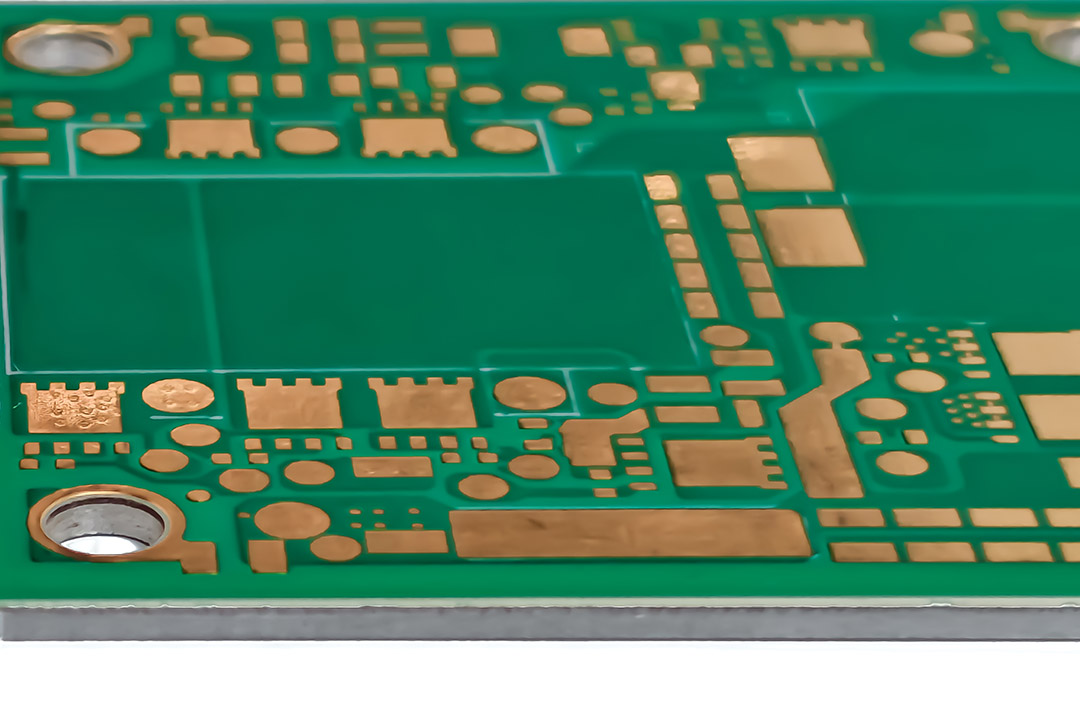
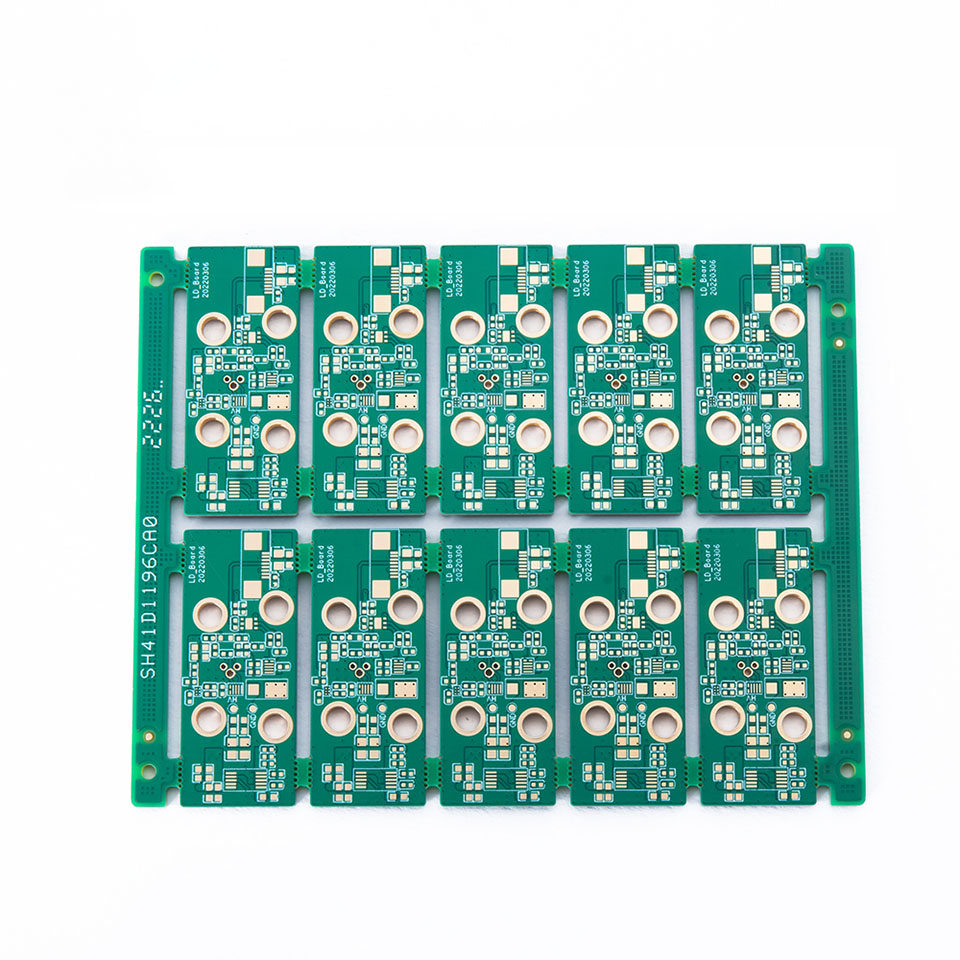
Heavy copper PCBs, commonly referred to as thick copper circuit boards, are also termed extreme copper PCBs when referring to the highest copper thickness specifications. This type of circuit board forms the core supporting structure of modern PCB manufacturing. In industrial scenarios that impose stringent requirements on performance and reliability, heavy copper PCBs play an indispensable role. Their applications extensively span multiple critical fields, ranging from power electronic devices to advanced aerospace systems.
The core distinguishing feature of heavy copper PCBs compared to traditional printed circuit boards lies in their significantly increased copper foil thickness. The standard copper thickness for this type of circuit board typically ranges from 3 ounces to 20 ounces per square foot or even higher. Some extreme heavy copper PCBs further employ multi-layer copper foil stacking techniques, achieving copper thickness at the 40-ounce level. This design specifically addresses the need for stable operation in extreme environments, while conventional circuit boards are prone to failure under similar conditions due to thermal or electrical stress.
The market demand for heavy copper printed circuit boards continues to rise, and this growth has driven significant expansion in the group of experienced heavy copper PCB manufacturers. When opting for a heavy copper solution, mastering the key aspects of copper substrate design, manufacturing processes, and the distinct performance advantages of such circuit boards can effectively enhance the high reliability standards required for projects, optimize operational efficiency, and extend product service life.
Heavy Copper PCB Process Capability
| Item | Standard |
| Layer | 2L – 20L+ |
| Outer Cu Thickness | 3 oz – 15 oz+ (105μm – 525μm+) |
| Inner Cu Thickness | 3 oz – 12 oz |
| Board Thickness | 1.6mm – 8.0mm |
| Max Panel Size | 500mm x 800mm |
| PTH Wall Thickness | 20μm – 50μm |
| Solder Mask Printing | 30μm – 50μm |
| Resin Filling | > 4oz |
| Surface Finishes | ENIG,HASL Lead-Free,Immersion Silver,OSP |
| Finished Copper | Min Inner L/S | Min Outer L/S |
| 3 oz (105μm) | 6mil / 8mil (0.15 / 0.20mm) | 8mil / 8mil (0.20 / 0.20mm) |
| 4 oz (140μm) | 8mil / 10mil (0.20 / 0.25mm) | 10mil / 10mil (0.25 / 0.25mm) |
| 5 oz (175μm) | 10mil / 12mil (0.25 / 0.30mm) | 12mil / 12mil (0.30 / 0.30mm) |
| 6 oz (210μm) | 12mil / 14mil (0.30 / 0.35mm) | 14mil / 14mil (0.35 / 0.35mm) |
| 8 oz (280μm) | 16mil / 18mil (0.40 / 0.45mm) | 18mil / 18mil (0.45 / 0.45mm) |
| 10 oz+ (>350μm) | Subject to DFM | 20mil / 25mil+ (0.50 / 0.63mm+) |
What is a Heavy Copper PCB?

A heavy copper PCB—or heavy copper printed circuit board—is simply a PCB where the thickness of the copper exceeds that of standard boards. Copper weights start at 3 oz copper per ft² but can reach or exceed 20 oz copper in extreme copper PCB designs. This jump in copper thickness allows these boards to handle much greater current, heat, and mechanical stress than traditional PCBs.
How Does Copper Weight Relate to Thickness?
| Copper Weight | Thickness (Microns/μm) | Common PCB Application |
| 1 oz copper | 35 μm | Consumer electronics, signal lines |
| 2 oz copper | 70 μm | Standard industrial applications |
| 3 oz copper | 105 μm | High current, power supplies |
| 4 oz copper | 140 μm | Power modules, automotive power |
| 10 oz copper | 350 μm | Energy, military, rail systems |
| 20+ oz copper | 700+ μm | Extreme copper PCB (nuclear, grid) |
The thicker the copper, the more robust and reliable the PCB becomes for high current applications. This increased copper thickness makes PCBs suitable for applications with significant power handling requirements.
LHD TECH’S Key Features and PCB Manufacturing Standards
Heavy Copper PCB Capabilities
- Copper weights ranging from 3 oz to 40 oz (multiple copper weights within a single design).
- Thicker copper layers on both inner and outer layers.
- Boards up to 12+ layers (multi-layer for power and signal integrity).
- Board sizes up to 24″ × 48″ possible.
- Multiple substrate options: FR4 PCB, high TG FR4, polyimide, aluminum base, copper base.
- Advanced via types: blind/buried vias, via-in-pad for high current, countersinking.
Industry Certification
- ISO9001:2015, UL Listing, IPC Class 2/3 for reliability-critical applications.
- RoHS/REACH for global environment compliance.
- Full AOI and E-Test inspection on all heavy copper circuit boards.
Why Use LHD TECH’S Heavy Copper PCBs?

The layered design and robust endow heavy copper PCBs with performance characteristics that far exceed those of standard circuit boards.
LHD TECH’S Advantages of Heavy Copper PCBs
- Superior current carrying capacity: Copper allows large PCB cross-sections to handle high currents. For instance, copper layers allow a heavy copper PCB to easily carry 30A–50A or more per trace!
- Enhanced thermal management: The thicker the copper, the better it acts as a heat sink, spreading and dissipating heat to extend component and board lifespan.
- Increased mechanical strength: Multiple copper layers protect the copper traces from vibration and flex, supporting applications in vehicles, tanks, or rail traction where vibration is extreme.
- Improved reliability: Heavy copper features like thick base copper and filled, plated vias prevent failures from thermal expansion, contraction, or current surges.
- Design flexibility: Multiple copper weights and thicker copper allow the same PCB to route both power and signal without separate busbars or additional heatsinks.
| Benefit of Heavy Copper | Description |
| High current, low resistance | Decreased voltage drop; greater efficiency in power distribution |
| Excellent heat dissipation | Reduces hotspots; extends the lifespan of power electronics |
| Extreme environment ready | Resists thermal/mechanical strain for military/aerospace/EVs |
| Reduced PCB size | Power and signal routed on same PCB—no need for separate bars |
| Lower total system cost | Fewer external connectors, less wiring, simpler assembly |
Heavy Copper PCB Applications
LHD TECH’S Heavy copper PCB applications span nearly every sector of advanced electronics, wherever performance, higher current throughput, and thermal reliability are required.
Applications of Heavy Copper PCBs
- Power Electronics: Power supplies, power modules, UPS systems, high power rectifiers, and regulators.
- EV and Automotive Industry: Battery management systems (BMS), drive inverters, high-power LED lighting.
- Industrial/Automation: Welding equipment, rail traction, process controllers, energy storage.
- Military & Aerospace: Radar, missile guidance, avionics, aerospace power supply units.
- Telecom: Base station amplifiers, transmission high current PCB.
- Medical Devices: Imaging equipment, critical life-support systems.
- Renewable Energy: Solar inverters, wind turbine control, grid-tied modules.
- Extreme Environments: Nuclear power, quantum computing support, satellite communications.
Heavy Copper PCB Capabilities and Specifications

When selecting or designing a heavy copper PCB, knowing its full range of capabilities is essential. LHD TECH’S unique combination of thicker copper layers, advanced fabrication, and diverse substrate options enables heavy copper circuit boards to solve problems standard PCBs can’t touch.
Key Capabilities Table
| Feature | Range |
| Copper Weight | 3 oz, 4 oz, 6 oz, 8 oz, 10 oz, up to 40 oz and multiple copper weights per PCB |
| PCB Layer Count | 1–12+ layers (with copper plated on inner & outer layers) |
| Smallest Drill Size | Down to 0.2 mm with modern PCB manufacturing |
| Min. Trace/Spacing | 0.25 mm / 0.25 mm (depends on copper thickness) |
| Board Size | Up to 24” × 48” (backplane and power bus designs) |
| Substrate Materials | FR4 PCB, high TG FR4, polyimide, aluminum base, copper base |
| Special Tech | Blind/buried vias, countersink, via-in-pad, cavity structure, thick base copper |
| PCB Testing | 100% AOI, E-test, flying probe, X-ray, UL and ISO compliance for heavy copper PCB fabrication |
Heavy Copper PCB vs. Standard PCB
| Feature | Standard Circuit Board | Heavy Copper PCB |
| Max Copper Thickness (typical) | 1–2 oz copper | 3 oz to 20+ oz copper (extreme copper PCB) |
| Current Carrying Capacity | Limited (often <5A per trace) | 10–100A+ in heavy copper circuit board |
| Heat Dissipation | Moderate | Excellent—copper layers allow direct heat sinking |
| Mechanical Strength | Sufficient (for light/medium uses) | Outstanding—vibration, cycling, & extreme use |
| Thermal/Mechanical Strain Endurance | Limited | High—suitable for thermal cycling, field repairs |
| Applications | Consumer, light industrial | Power, military, automotive, medical, energy, etc. |
| Cost | Low | Higher upfront, lower TCO/long lifespan |
| Design Flexibility | High density possible | Wide traces/spacing needed for thicker copper |
Heavy copper printed circuit boards are designed for situations where overheating, electrical breakdown, and mechanical failure are unacceptable. In these scenarios, copper pcbs is their ability to combine high current and heat tolerance on a single board, reducing or eliminating busbar assemblies or external heat sinks.
Advanced Design Considerations for Heavy Copper PCBs
Copper PCB Design Tips
- Trace Width/Spacing: Use a PCB trace width calculator tailored for thicker copper layers and high current. Remember as copper weight increases, so must the spacing between traces; this helps with manufacturing process reliability and prevents shorts.
- Via Design: Heavy and extreme copper PCBs benefit from filled, plated, or stacked vias—often with copper pouring—for effective current transfer between layers and thermal dissipation.
- Signal Integrity: Position high-current copper circuits away from sensitive analog or RF traces. Use ground planes and proper stackup to minimize EMI from heavy copper circuit switching.
- Thermal Reliefs: For thick copper, always employ thermal relief patterns around through-holes or vias to support easier soldering and uniform heat distribution.
- DFM Review: Involve LHD TECH Let us review the process of heavy copper pcbs, propose adjustments, and catch copper etching challenges or layout issues before fabrication.
Heavy Copper PCB Manufacturing Process

The manufacturing process of heavy copper PCBs is more complex than that for standard boards. Unique steps are necessary to ensure copper layers are reliably thick and precisely defined.
Our Manufacturing Steps
- Material Preparation: PCB and FR4 PCB material with high TG and optimal CTE are selected for thick base copper requirements.
- Copper Lamination: Multiple copper foils (3 oz, 4 oz copper, 10 oz, or even 20 oz) are bonded to substrate layers with heat and pressure.
- Imaging/Patterning: The copper circuit image is transferred to each layer. Because of thick copper, imaging requires special care (sometimes LDI) to ensure fine features for heavy copper pcb design.
- Etching: Thick copper is etched to remove unwanted copper using aggressive processes often involving several etch cycles to precisely define current paths.
- Plating: Heavy copper plating boosts the copper thickness even further, vital for via walls and pads (especially for heavy copper PCB capability in high current areas).
- Drilling: Holes for vias/connectors are drilled, and additional steps like via filling or backdrilling are applied.
- Solder Mask: Applied carefully to avoid bridging on thick copper traces and pads.
- Final Surface Finish: ENIG, immersion silver, or custom copper surface treatments protect the copper, aid soldering, and improve performance.
- Testing: 100% Automated Optical Inspection (AOI), E-test, and X-ray for assurance—especially for military, medical, or energy heavy copper PCB applications.
Our Heavy Copper PCB Manufacturing Challenges
- Copper Etching and Plating Processes: Precise control is required—thicker copper is more difficult to etch cleanly, and heavy copper plating must avoid voids or irregular buildup.
- Thermal Stress: Repeated laminations and copper pour layers may induce stress; process optimization is vital to prevent warping or delamination.
- Fabrication of Heavy Copper: Demands specialized equipment and strict process monitoring to handle thicker copper traces without defects.
Cost Analysis and Value Engineering
Heavy copper PCB manufacturing does increase upfront costs; however, the benefit of heavy copper is a reduction in field failures, longer MTBF (mean time between failures), and ultimately a lower TCO (total cost of ownership).
Key Cost Factors
- Copper weight and thickness of the copper
- Number of copper layers and multiple copper weights
- Board size and total surface area
- Type of substrate (e.g., aluminum base PCB is more expensive than FR4 PCB)
- Surface finish and additional treatments
Cost Optimization Strategies
- Use thick copper only in required power/thermal areas; use 1 oz copper elsewhere in the pcb circuit board when possible.
- Work with LHD TECHearly to optimize stackups, layer counts, and copper weights for both function and manufacturability.
- Accept longer lead times for more cost-effective batch processing.
Pros and Cons of Heavy Copper PCB

Advantages of Heavy Copper PCBs
- Exceptional current carrying capacity for high-power and high-voltage circuits.
- Excellent thermal performance thanks to resilient copper pours and thicker copper layers.
- Superior mechanical strength and vibration resistance: ideal for automotive, industrial, or military electronics.
- Enhanced reliability: lower rates of failure and field returns, supporting long-life applications.
- Supports high-density and hybrid circuit designs for power and signal integrity in complex systems.
- Supports advanced heavy copper PCB manufacturing features like multiple copper weights, thick base copper regions, or copper circuit design with advanced plating.
- Enables space and weight optimization: critical in transport, aerospace, defense, and grid infrastructure.
- Easy integration with pcb fabrication and assembly for a single-source solution.
Drawbacks and Limitations
- Higher up-front cost: Both material and process costs are higher due to increased copper usage, thicker lamination cycles, and more complex plating.
- Design constraints: Wide traces and spacing required for thick copper make ultra-compact, high-density routing difficult.
- Complex manufacturing process: Copper etching and plating processes are more demanding, and AOI or E-test is even more critical to guarantee quality.
- Longer manufacturing lead times: Heavy copper PCB fabrication often includes extra cycles/QA steps.
Conclusion: The Enhanced World of Thick and Extreme Copper PCBs
Heavy copper PCBs and extreme copper PCB technology are powering the most demanding advancements in electronics, from smart grids to electric vehicles, industrial automation, and next-generation communications. The unique benefits of heavy copper—superior current carrying, excellent heat dissipation, and robust mechanical strength—make them irreplaceable for engineers looking for a heavy copper solution that lasts.
Whether you are updating a power supply design, planning new defense electronics, managing renewable energy, or building the next high-power server platform, there’s no substitute for the capability, durability, and peace of mind that heavy copper PCBs offer.