Introduction To PCB Quality Control
Printed circuit boards (PCBS) are the most core components of almost all modern electronic products. The reliability of consumer electronics, automotive electronics, industrial equipment and even medical technology largely depends on the quality of these components. To obtain high-quality and highly reliable products, strict PCB quality control procedures must be implemented at every stage of the PCB manufacturing process.
The following content explores various aspects of PCB quality control, elaborating on the methods for ensuring PCB quality inspection, control measures, and procedures that manufacturers can use to guarantee product quality before shipment. Manufacturers ensure the overall quality of PCBS and pcb (printed Circuit board assemblies) by adhering to these standards and constantly improving inspection processes, thereby producing first-class electronic products that meet or exceed specifications and shipping standards.
Just how important is it? Because meticulous quality control in PCB production ensures that every stage of PCB manufacturing, from the selection of PCB materials to the final product, can produce electronic products that pass quality inspection and have zero faults. In today’s highly competitive electronics industry, a commitment to PCB quality control is one.
Why is Quality Control So Crucial In The Manufacturing Of Printed Circuit Boards
The significance of quality control in pcb manufacturing must be emphasized. PCBS support the fundamental performance of various devices, ranging from today’s very popular smartphones to advanced automotive safety systems. Defects missing in the PCB may affect product quality and user experience; otherwise, it may lead to costly product recalls and even put end users at risk.
The following are the main reasons why quality control measures are so important throughout the PCB production process:
- Ensure the reliability of PCBS: Effective and comprehensive quality control procedures enable PCB and PCBA products to withstand harsh environments, mechanical stresses, and various electrical requirements.
- Reducing Defects: A powerful inspection process can identify problems early in the manufacturing process, long before they become costly or dangerous on-site failures.
- Compliance and Certification: Strict QC practices ensure compliance with industry quality standards such as IPC, ISO and UL, as well as the standards required for market access and legal operation.
- Cost-effectiveness: Early detection and correction of defects save costs on materials, labor, rework and warranty claims. High-quality PCBS reduce life cycle and maintenance costs.
- Brand Reputation: Only by ensuring the quality of PCBS can a brand build trust between consumers and partners, especially in industries where safety is of Paramount importance, such as automotive electronics.
The Comprehensive Quality Control Process Of PCB
Ensuring the highest quality in PCB production requires a specific approach to control risks at each stage.
Initial Design and Specification
The quality control process begins with optimizing the PCB design. Here, engineers select the appropriate layout, stacking, and determine the production tolerances. Early DFM (Design Manufacturability) and DFT (Design Testability) inspections are key inspection methods that can reduce downstream defects.
- Verification methods: Design Rule Check (DRC), Design for Manufacturability, Bill of Materials (BOM) verification.
- Quality control: Peer review of Gerber documents and assembly drawings helps identify early design defects that may affect overall quality.
Material Selection and PCB Material Inspection
Selecting the appropriate PCB board is the beginning of quality control. The materials used in PCB manufacturing, from copper foil to substrates and solder masks, must all meet strict quality standards.
- Quality control measures: Conduct thickness, consistency, surface finish and chemical compliance (RoHS, REACH) checks on incoming materials.
- Inspection methods: Material qualification certificate, visual inspection, and laboratory testing of dielectric performance.
PCB Production and Assembly Process Quality Control
During the PCB manufacturing process, it is essential to inspect the panels throughout the entire process of PCB manufacturing and assembly.
- Quality control procedures: process inspection, solder paste inspection and real-time monitoring.
- Important quality control: Conduct process checks on drilling, electroplating and etching before assembly to detect defects.
Inspection Methods During PCB Production
PCB inspection combines manual and automated technologies to detect problems that damage the overall quality of PCBS:
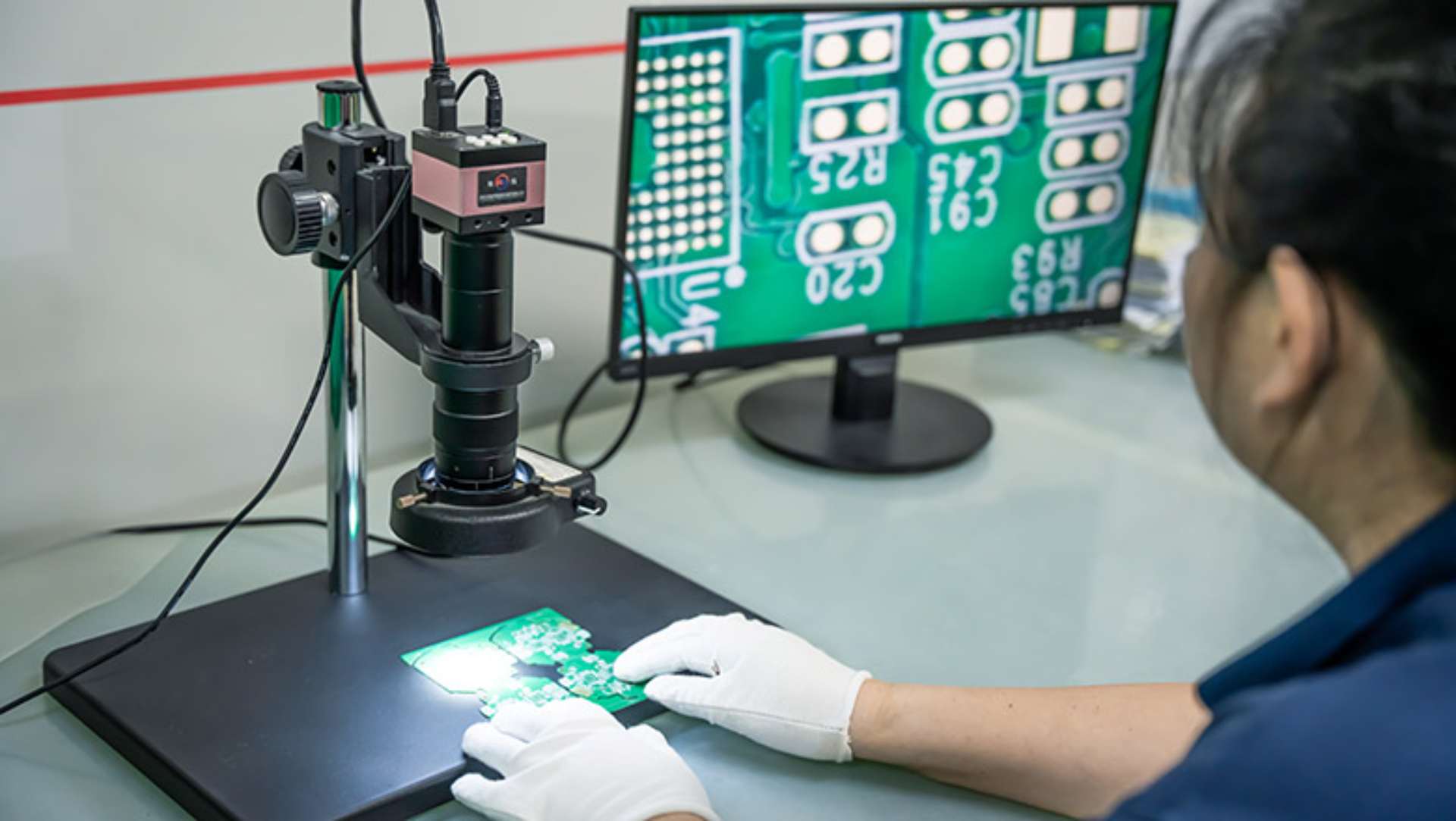
- Visual inspection: Manual or semi-automatic inspection of appearance defects, component placement, misalignment and foreign particles.
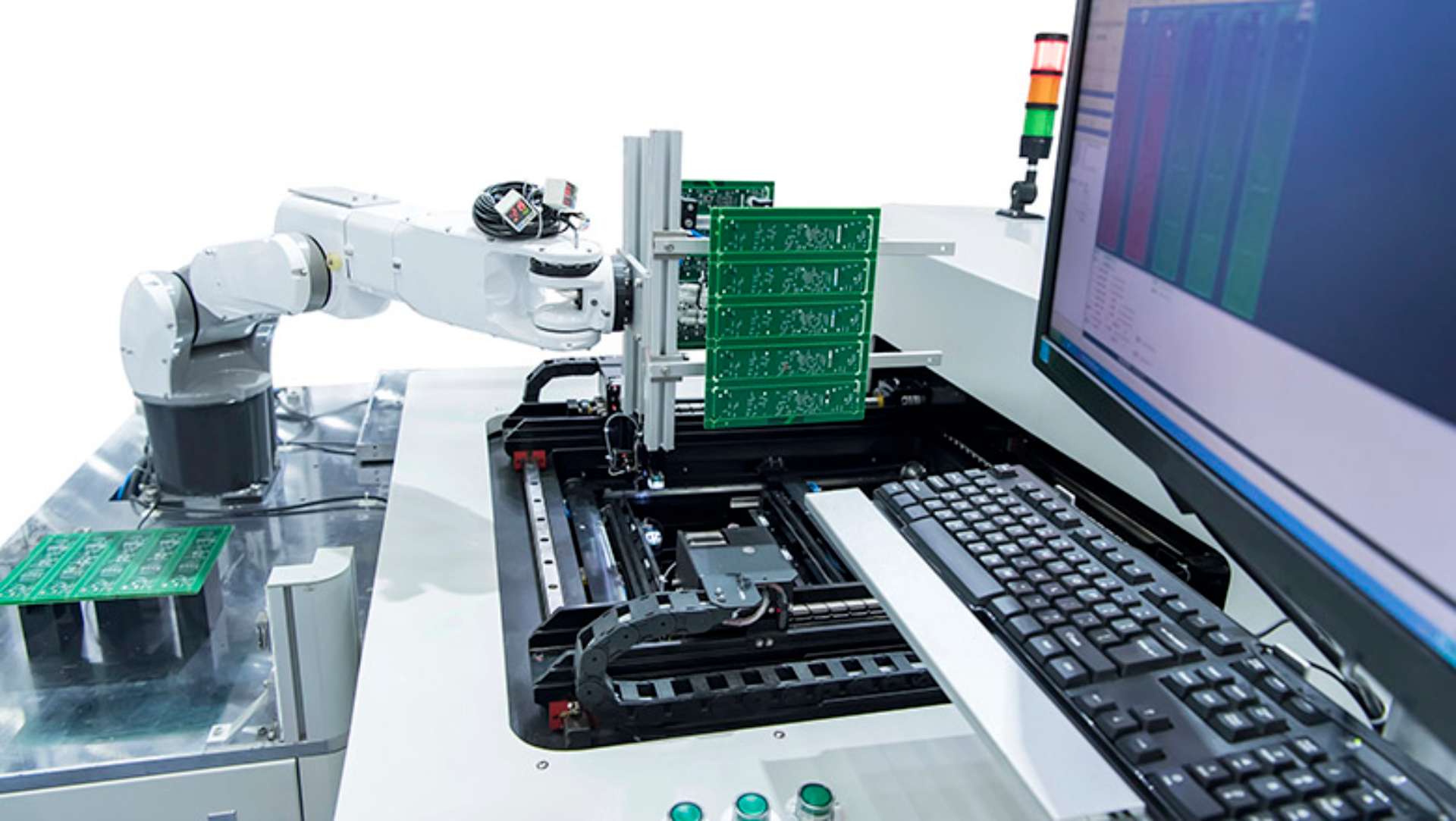
- Automatic Optical Inspection (AOI) : Computer-driven analysis to detect solder Bridges, missing components and incorrect positions.
- X-ray inspection: It is used to inspect hidden areas in multi-layer or dense components, verify the quality of solder joints and internal features.
- In-Circuit Testing(ICT) and flying probes: Electrical verification tests for continuity, short circuits and correct component values without the need for large test fixtures.
Core PCB Quality Control Inspection Methods
| Inspection Method | Application Area | Defect Types Detected |
| AOI | Post-reflow, bare board | Solder bridges, missing/offset components |
| Visual Inspection | All production stages | Surface defects, solder mask errors, contamination |
| X-ray Inspection | BGA, PoP, multilayer | Voids, hidden solder joint, internal shorts/opens |
| ICT/Flying Probe | Assembled boards | Opens, shorts, component failures |
| Functional Test | Final product QC | Real-use performance under simulated conditions |
Finished Board Testing and Validation
Before shipment, each PCB product must undergo a final series of quality checks to ensure it meets the shipping standards.
- Aging test: Expose the pcb to high-stress cycles (heat, vibration) to capture early life failure.
- Functional Testing: Simulating actual operating conditions is a key measure for automotive electronics, medical devices, and mission-critical applications.Packaging, Traceability, and Documentation
Proper PCB packaging and traceability are as important as any assembly process.
- Individual circuit boards are inspected, packed in anti-static packaging and labeled with traceability tags.
- Comprehensive documents: Test reports, conformity certificates, traceability records – provided for all PCB contract batches.
Key PCB Quality Control Methods Explained
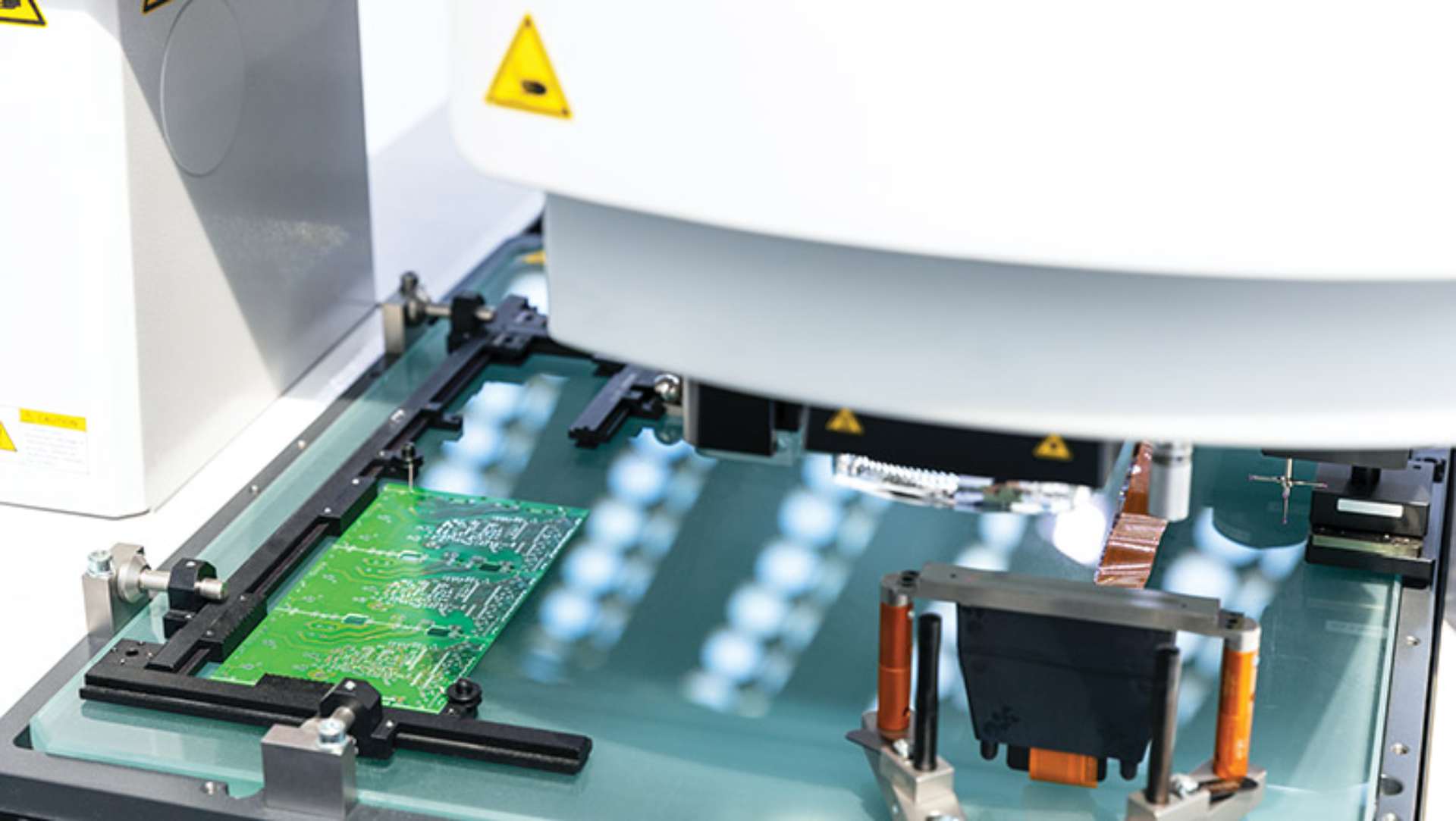
Let’s take a close look at the most important PCB quality control methods that constitute the pillar of modern electronic reliability.
Automated Optical Inspection (AOI)
AOI has revolutionized the inspection process by enabling rapid and reliable detection of visual defects and component placement errors. It reduces the reliance on human judgment, supports strict PCB production requirements and enables real-time correction.
X-ray Inspection
X-ray inspection is crucial for dense or multi-layer PCBS and PCBS, as it enables manufacturers to examine solder joints “inside the pcb”, especially for bga and electroplated vias that are not visible from the outside. By using this inspection method, you can detect internal defects long before on-site faults occur.
Visual Inspection
Although automation is crucial for quality control, the “human eye” remains invaluable and incomparable in detecting surface defects, appearance issues, and minor errors such as component polarity or missing labels.
Electrical Testing (E-Testing,, Flying Probe)
Detecting open circuits, short circuits, missed screens and incorrect component values to ensure the integrity of the PCB is of great significance to the quality and reliability of the entire PCB manufacturing process.
Functional and Burn-in Testing
Functional testing replicates the actual usage of the final product to ensure that the printed circuit board operates normally under actual load and power conditions. Aging tests go a step further: PCBS or PCB components are subjected to high thermal stress, electrical stress, and sometimes mechanical stress over a relatively long period of time. This process is crucial for identifying the “infant mortality rate” defect – which may only occur after the PCB is put into use. In high-reliability fields such as automotive electronics and medical equipment, such strict quality control measures are beyond doubt to ensure quality and reliability.
Key quality control practices:
- Simulate the real operating environment.
- Record all test results as part of the PCB quality control process.
- Use data to improve the future PCB production process.
The Importance of Quality Control in PCB and PCBA
The powerful quality control process in PCB and printed circuit board assembly (PCBA) ensures that even the most complex electronic products not only function at delivery but also maintain reliability throughout their entire life cycle. Strict quality inspection at every assembly process – from the application of solder paste, precise component placement, reflow soldering, to the final inspection – directly affects the overall quality and the operational safety of the entire system.
Why is this so important?
- Ensure consistency: Each PCBA complies with the quality specifications at the factory, which is particularly important for mass production as a single error on a circuit board may occur thousands of times repeatedly.
- Traceability: Strict quality control procedures ensure that any defects found on-site can be traced back to the source of the PCB manufacturing process.
- Compliance: Comprehensive quality control ensures that each batch of PCBA complies with national and international quality standards, guaranteeing market access and reducing liability.
Common PCB Defects and How Quality Control Addresses Them
Quality control in PCB production aims to systematically identify the most common defects, using advanced detection methods and comprehensive process supervision. The following are some typical problems, their root causes, and how effective quality control practices can address them:
| Defect Type | Cause | Inspection Method | Solution |
| Solder Bridges | Excessive solder, improper stencil design | AOI, X-ray | Solder paste inspection, cleaning |
| Open Circuits | Poor trace etching, incomplete drilling | ICT, Flying Probe, Visual Inspection | Drill control, etch process tuning |
| Delamination | Inadequate lamination, material issues | Visual, Cross-section analysis | Improved lamination pressure/time |
| Misplaced Components | Placement machine error, design error | AOI, Manual Inspection | Program verification, operator training |
| Cold Solder Joints | Rapid cooling, poor wetting | AOI, X-ray Inspection | Profile optimization, solder QC |
| Voids & Bubbles | Gas entrapment, poor process control | X-ray Inspection | Vacuum reflow, solder process tuning |
Such a table highlights how to use multiple overlapping inspection processes – visual, AOI, X-ray and electrical/functional testing – to ensure that every aspect of PCB quality is verified.
New Trends in PCB Quality Assurance
Modern PCB quality control is surpassing traditional operations and becoming an active, data-driven discipline:
- Artificial Intelligence and Machine Learning: Predictive analytics in AOI and X-ray systems can detect subtle and complex defects that were previously invisible to operators or standard algorithms.
- Smart Factory Integration: To enhance the entire pcb production process, iot connectivity and cloud-based analysis track the output and quality indicators of multiple facilities.
- Automated Traceability: Throughout the entire pcb manufacturing process, qr codes and blockchain systems are used to record component, batch, and test data, enhancing traceability and enabling quick and confident resolution of avoidable issues.
- Advanced material inspection: New imaging and spectral tools can perform non-destructive particle analysis on material quality without the need for destructive cutting or etching.
- Green Manufacturing Initiative: Greater focus on RoHS, REACH and sustainable practices to ensure safer use of chemicals in the PCB process – beneficial to the environment and crucial for regulation.
Conclusion: Achieve The Highest Quality in PCB Production
The comprehensive guideline for PCB quality control reveals a fact: success lies in unwavering quality assurance throughout the entire process. From the first line of the design specification to the meticulous selection of materials, detailed inspections at each production stage, and compliance with global quality standards, every step is closely linked.
Every PCB and PCBA is your proof of quality. The electronics industry will never stand still, and your quality control practices must also keep pace with The Times. With the advancement of technology, your inspection methods, manufacturing process control and the skills of your inspection team should also be enhanced.
PCB quality control can ensure the life cycle of your final product and meet the requirements of modern life. High-quality PCBS not only support reliability and safety, but also maintain your brand and retain customers.
Frequently Asked Questions (FAQs)
What does PCB quality control include?
Early integration of quality control: Involve the quality control team in the initial design stage. This can prevent downstream problems and solve them at their root.
What is the most effective inspection method in PCB manufacturing?
Equipment calibration and maintenance: AOI, X-ray and all automatic inspection equipment must be inspected regularly to maintain strict quality standards.
How can manufacturers ensure that PCBS meet quality standards?
By adhering to recognized quality standards (IPC, ISO, UL), documenting each inspection step, and applying quality control measures throughout the pcb manufacturing process.
How does component placement affect reliability?
Improper placement may lead to open circuits, component failures and overall reliability issues. Automated detection methods ensure that components are placed correctly, thereby generating high-quality and reliable PCB and PCBA products.
Why is traceability important in PCB quality control?
Traceability performance can quickly identify the sources of defects within the PCB and throughout the entire PCB manufacturing process – this is crucial for recalls, compliance, and ongoing process improvements.
Can PCB manufacturers guarantee that the final product is defect-free?
Although strict PCB quality control has reduced the defect rate to almost zero, no process is eight percent perfect. However, a comprehensive quality control process can minimize product risks and ensure that PCB and PCBA products meet the highest factory quality standards.