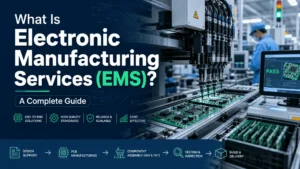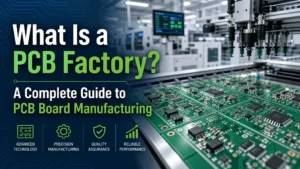

Present electronics are becoming smaller, quicker, and more powerful. This brings about two significant needs. Equipment has to cope with heat, and it has to be able to fit in tight areas. It is here that aluminium PCB and Flexible PCBs come in. The two types of circuit boards are both used in modern product design, but they address differing issues.
PCBs made of aluminium are used to regulate the heat of high-power devices. Flexible PCBs facilitate bending, motion, and compact designs. This guide will teach you what they are, how they operate, where they are applied and how to select the appropriate PCB to use in your electronic project.
Understanding Aluminium PCBs and How They Handle Heat
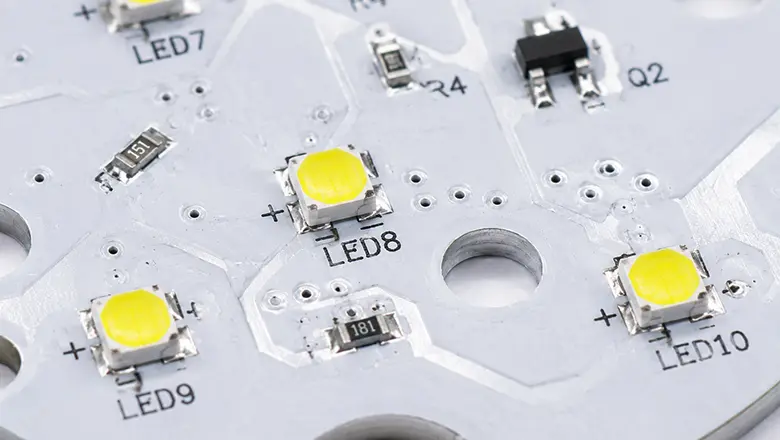
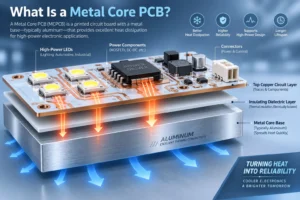
An aluminium PCB is a printed circuit board that has an aluminium metal base. It can also be referred to as an aluminium core PCB or metal core PCB. Its primary function is to carry away the heat of electronic components. This is why it applies to appliances that generate a lot of heat.
FR4 material is commonly used in a normal PCB. FR4 is cheap and is also popular, but it is not a good heat remover compared to aluminium. Three layers of PCB are made of aluminium. These are the dielectric insulation layer, copper circuit layer and the aluminium base layer.
The electrical signals are on the copper layer. The insulation layer makes the circuit safe and aids in conducting heat. The aluminium coating is strong and dissipates heat off the board. Due to this design, LED lights, power supplies, automotive electronics and industrial machines use aluminium PCB boards.
Why Flexible PCBs Are Changing Modern Electronic Design
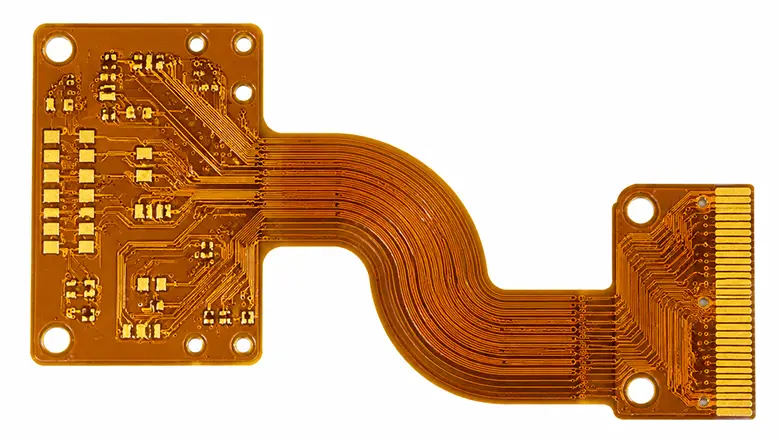
Flexible PCBs are printed circuit boards that can be folded or curved. They can also be referred to as flex PCB, flexible printed circuit board, or FPC PCB. These PCBs are manufactured out of flexible materials like polyimide, unlike rigid boards. This enables them to enter into small and intricate areas.
Flexible PCBs are extremely handy in the world of electronics today since most devices are small, light and thin. Smartphones, wearables, cameras, medical devices, and automotive systems frequently require boards capable of movement or bending without fracturing.
A flexible PCB typically contains copper traces, a flexible base film that is flexible, adhesive layers, and a protective coverlay. Sometimes stiffeners are also used on some of the designs where additional support is required. These boards minimise the use of large wires and connectors.
Key Benefits That Make These PCB Technologies Stand Out
Flexible PCBs and aluminium PCBs have various advantages. Best in heat control is an aluminum PCB. It aids in safeguarding parts against overheating. This enhances life and performance of products. It also provides excellent mechanical support, which comes in handy in harsh environments.
Space-saving designs are most desirable with flexible PCBs. They are able to round corners and enter into small spaces. They also minimise wiring issues and enhance the reliability of device moves. This renders them perfect when dealing with small and light products.
Main benefits include:
- Improved heat management using aluminium PCB
- Lightweight design with Flexible PCBs
- Stronger product reliability
- More effective utilisation of interior space
- Improved design freedom
- Longer component life
Both types of PCBs are more favourable for electronic design. PCBs made of aluminium are excellent in high-power applications. Flexible PCBs are ideal in small and portable applications.
Where Aluminium PCB and Flexible PCBs Are Used Every Day
Aluminium PCBs and Flexible PCBs are used in many industries. They are applied depending on the product requirement. When heat is the primary concern, aluminium PCB can be preferred. Flexible PCBs tend to be superior in cases of space, movement, or bending.
LED Lighting
Aluminium PCBs are prevalent in LED bulbs, street lights and commercial lighting due to their capability of offering the best heat dissipation.
Automotive Electronics
Headlights and power modules utilise aluminium PCBs, and dashboards, sensors, and infotainment systems utilise Flexible PCBs.
Consumer Electronics
Flexible PCBs are typically found in smartphones, laptops, smartwatches, cameras, among other small electronics.
Medical and Aerospace
Flexible PCBs are used with small medical equipment, and aluminium PCBs can be used with reliable thermal control in aerospace equipment.
Industrial Equipment
Power supplies, motor controllers, industrial automation, and renewable energy systems are among the applications using aluminium PCBs.
The two types of PCB assist engineers in designing smaller, more reliable, and high-performance electronic products.
Aluminium PCB vs Flexible PCBs: Which One Will You Prefer
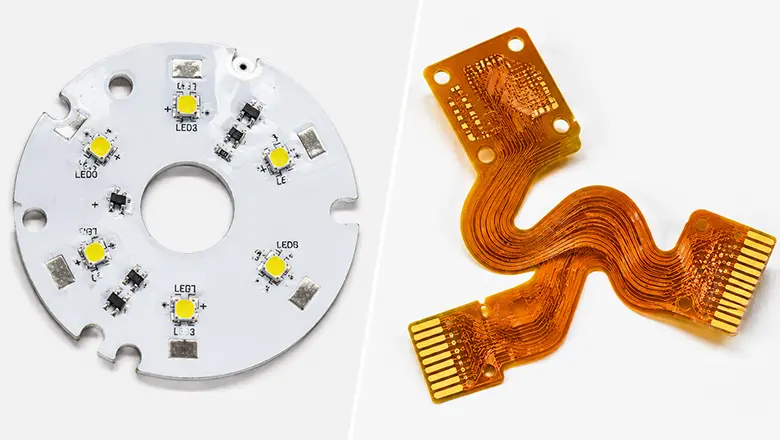
The decision to use aluminium PCB or Flexible PCBs will depend on your product objective. What problem does your design need to solve? You should first check. Aluminium PCB is a powerful option in case your device generates a lot of heat. It can be used in LED products, power devices, and industrial electronics.
Flexible PCBs are superior in case you require bending or folding of your product or a compact layout. They find application in wearable products, medical products, smartphones and other small electronics.
Cost is not irrelevant either. Aluminium PCB might be more expensive than ordinary FR4 boards, yet they are better in thermal conductivity. Flexible PCBs may also be expensive due to their design and manufacturing cycle, which is intricate. But they are capable of minimising connector consumption and space.
To put it simply, select aluminium PCB to be heat-conductive. Select Flexible PCBs to move and have a compact design.
Choosing the Best PCB for Your Next Electronic Project
Flexible PCB and Aluminum PCB are both significant to the electronics of the day. The design of aluminium PCB is to facilitate improved heat dissipation, strength and high power performance. Flexible PCBs are bendable, small-sized, and lightweight products. The two types of PCB are useful in enhancing product quality when appropriately used.
The optimal option will be determined by your use. Apply aluminium PCB in case the primary requirement is heat regulation. When your product requires movement, space-saving, or flexible design, use Flexible PCBs. With this knowledge of their advantages, materials, uses, and design considerations, you can select the appropriate PCB type to enhance performance, longevity and intelligent electronic products.