
Introduction to PCB Assembly and Cost
Think of Printed circuit board (PCB) assembly as taking your circuit board’s blueprint and actually bringing it to life—that’s where you take all the parts and put them onto the board. Getting a handle on what PCB assembly cost, what cost drivers , and what cost estimation- it is a really big deal. In today’s industry, design updates are as rapid as flipping through a book, market competition is fierce, and supply chain problems occur frequently. If you can’t figure out exactly where the high cost of PCB assembly lies and how to save costs, you will really suffer a big loss.
What Determines the Cost of PCB Assembly?
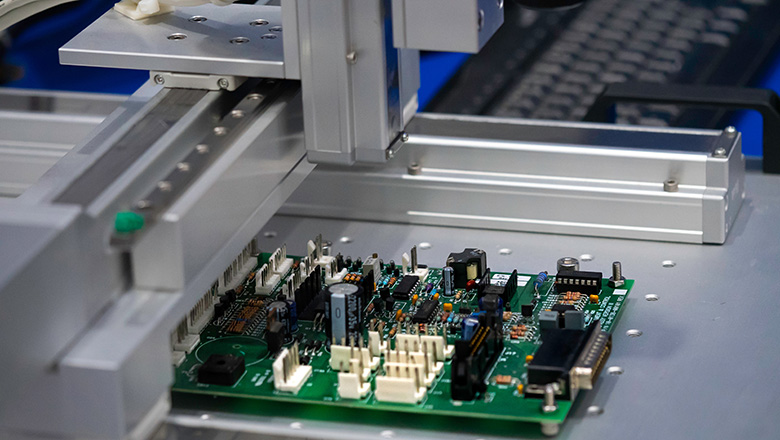
The cost of PCB assembly is influenced by several variables:
- PCB manufacturing cost drivers:It’s like baking a cake—more layers, a bigger size, or using premium “ingredients” (like special materials instead of standard FR-4) will push the price up. Tricky designs also cost more.
- Materials used in the PCB(and Component cost and procurement:):This is often the biggest part of the bill. The chips and components you pick can range from cheap and common to super rare and expensive. Those advanced chips? They’re a major cost driver.
- Assembly process:Is it all machine-placed (SMT) or do some parts need to go through holes by hand? Automation is fast for big batches, but handwork or mixed methods add labor costs.
- Testing & certification: Adding an automatic optical inspection (AOI) function or conducting a power-on test will indeed cost a bit more, but it can identify problems in advance and avoid a bunch of troubles later on – this is actually a good deal.
- Packaging and logistics: Anti-static bags, custom-made cardboard boxes, plus shipping fees, all these are real costs. In the last few steps before getting the item, the price is quietly increasing at each stage.
Why PCB and PCBA Cost Analysis Matters
Everyone’s trying to build the best board for the lowest price. To pull that off, the whole team—from the engineers who draw it up to the people buying the parts—really needs to know where the project costs come from.This isn’t just about cost control and cost reduction. Ultimately, only when you have a clear understanding of the true cost of assembly can you truly take the initiative. Whether it’s replacing a component or making minor adjustments to the design plan, you can have a clear idea in your mind – knowing how much the budget will increase and how much it will save, rather than relying entirely on guessing.
Typical PCB Assembly Cost Breakdown
Let’s break down the main cost elements of PCB and PCBA, showing how each stage affects the final cost:
| Cost Element | Typical Share | Cost Model Factor | PCB Industry Tip |
| Bare Board Manufacturing | 20–35% | PCB material, thickness, layer count | FR-4 is a common PCB material |
| Component Procurement | 25–45% | Component cost, sourcing, shortages | Bulk buys reduce the cost per unit |
| Assembly Labor/Service | 10–25% | PCB assembly process (SMT/THT/Hybrid) | Automated assembly for cost reduction |
| Testing & QA | 2–10% | AOI, functional, certification | Needed more for advanced PCB designs |
| Packaging/Shipping | 3–10% | Material cost, shipping method | Custom options can increase the cost |
| Special/Expedited | Varies | Rush, gold finish, conformal coating | Plan ahead to reduce additional cost |
Key Cost Drivers in PCB Manufacturing and Assembly

1. PCB Material and Layout
Think of the PCB manufacturing cost drivers. Fancy materials (FR-4, polyimide, PTFE), extra-thick copper layers, special coatings, and complex multi-layer designs will all make it pricier to make. All the features that boost performance—like handling high heat or controlling signal speed—also add to the bill.
2. Components on the PCB
This is usually the biggest chunk of the total pcb assembly cost. The cost of the components—especially the “brains” like advanced microchips, wireless modules, and tiny, densely-packed parts—can be expensive. If your parts list is long or needs hard-to-find items, costs can jump quickly. Shopping smart for parts is a key way to save money.
3. Assembly Process
- SMT assembly(Surface-Mount Technology): The standard, fast, and generally cheaper way for most parts.
- THT assembly(Through-Hole Technology): Needed for bulky or heavy-duty parts, but requires more hands-on work, which costs more.
- The Mix: Many boards use both methods, which balances performance and cost.
- Automated assembly reduces the price per board compared to manual labor—especially in mass production PCB and PCBA manufacturing.
4. Testing, Quality, and Certification
Testing adds cost, but it’s essential. Visual checks by machine, powering the board up to test its functions, and getting official certifications all add to the price. For critical boards (like in cars or medical devices), this extra testing isn’t optional—the cost of a failure is just too high.
5. Packaging and Shipping
How you pack and ship it matters. Special static-proof bags, custom packaging, and choosing air freight over sea freight all add to your final landed pcb cost.
PCB Assembly Process and Manufacturing Cost Model

The PCB assembly process consists of several critical phases, each with its own manufacturing cost drivers:
- PCB Fabrication: Just like laying a foundation – cutting plates, drilling holes, and pressing them together. The more complex the board, the thicker the copper layer and the higher the grade of the material, the more money this step will cost.
- Solder Paste Application:It’s equivalent to “applying glue” to components. The fineness of the steel mesh used and the quality of the solder paste directly affect the cost here.
- Component Placement:The home turf of robots (surface mount technology (SMT) machines. Automation is both fast and accurate, and it is much cheaper than manual pasting.
- Soldering/Reflow/Wave: The welding method depends on the device: Surface mount Technology (SMT) is the mainstream, which is cheap and convenient. The through-hole plug-in (THT) process involves multiple steps, and the cost of each board naturally increases.
- Inspection & Testing: Basic checks (such as a scan by AOI) will all be available. But if it is necessary to power on for functional testing – especially for complex boards or highly reliable ones – it will cost more and take more time.
- Final Packaging: The final step: Anti-static bags, custom packaging, shipping fees… To protect it properly or send it faster? Then you’ll have to pay more.
PCB Cost Models in the PCB Industry
- Quantity is King: Order more, the lowest cost per unit. Spreading fixed costs (like setup) over hundreds of units dramatically drops the assembly price per piece.
- Setup Fees Hurt Small Runs: When making samples or small batches, the one-time costs (NRE) for machine programming and production line debugging will be spread over each board, making the unit price stand out particularly.
- Advanced PCB features: Upgrade options such as blind buried holes, impedance control, and gold plating processes all require additional payment. Unless the design is truly indispensable, don’t randomly select it – it’s all built up with real money.
- Bundle Your Orders: You can save money by grouping smaller production runs together. This keeps the assembly line humming efficiently instead of stopping and restarting constantly.
Strategies for PCB Cost Reduction

With pcb and pcba manufacturing, cost reduction is a major goal. Here’s how PCB designers, buyers, and engineers can keep project cost under control:
1. Minimize Design Complexities
- Stick to fewer layers and a smaller board size when you can—these are two of the biggest price factors.
- Avoid exotic materials, super-thick copper, and fancy features (like special hole types) unless your design truly needs them—they can double or even triple the cost.
- Choose standard finishes and solder mask colors (like green). Custom colors or premium finishes (like ENIG gold) look great but add to the bill.
2. Simplify the Assembly Process
- First, try to use common and standard-packaged parts as much as possible.In this way, the factory machines are fast and stable in mounting, and the cost is naturally low.
- Second, don’t stuff the components too densely and don’t make the wiring too fancy.Overly complex designs will slow down the production speed and are prone to errors and rework.
- Thirdly, if possible, choose surface mount Technology (SMT) instead of through-hole technology (THT).The entire process of surface mount technology (SMT) is handled by machines, while most of the through-hole components have to be manually soldered by hand, which has significantly increased the cost.
3. Optimize Component Cost
- Buy components in larger quantities across projects to get better bulk pricing.
- Work with your supplier to find cheaper or more available alternative parts for your bill of materials.
- Have backup parts approved in advance to avoid last-minute shortages that can send costs soaring.
4. Align Production Volume with Demand
- When the quantity is large, try to place multiple orders at one time.In this way, the start-up cost and mold cost can be evenly distributed among more boards, and the unit price of each board can be significantly reduced.
- If you really can only do small batches, just ask the factory if they can “assemble the boards”.Combine your board and others’ boards into one large board for production. This way, you can share the board-making cost with everyone, and the cost will be much more favorable.
5. Improve Testing Efficiency
- Use Automated Optical Inspection (AOI) as your go-to—it’s fast, affordable, and catches most common issues.
- Save more expensive testing (like functional or X-ray) only for complex, high-risk, or regulated boards where it’s truly necessary.
6. Work with the Right PCB Manufacturer
- A good manufacturer will often suggest small design changes that save money without hurting performance.
- Ask for regular pricing reviews—material and shipping costs change often.
- Use online calculators for quick estimates, but always get a detailed quote that matches your specific design and assembly needs.
How Design Complexities Affect the Cost

Think of PCB design complexities like customizing a car. The fancier you get, the more expensive and complicated it becomes.
- More layers, thicker copper, and microvias don’t just cost more—they also make boards harder to produce reliably, which can lower yields and increase wait times.
- Dense routing and fine-pitch BGAs need more precise assembly and inspection; automated assembly drives cost down only if design for manufacturability was followed.
- Specialty materials (Rogers, polyimide, ceramic)are like switching from standard steel to carbon fiber. They can easily triple the price, so only use them if your project’s performance absolutely requires it.
- “Bells and whistles”—lots of gold-plated connectors, plating on the board’s edge, or unusual shapes—also add cost at every stage, from makingexcessive use of gold fingers, edge plating, or custom cutouts.
FAQs: Cost of PCB Assembly and Manufacturing
Q: Why does the pcb cost increase for small batches?
A: It’s all about spreading the fixed costs. Setting up the machines, programming, and prep work (NRE) costs the same whether you make 10 boards or 1,000. With a small batch, that setup fee gets split among just a few units, so each one has to carry a bigger chunk of the bill.
Q: Which has a greater impact on total cost: pcb material or component cost?
A: Usually, the components—especially pricey chips and advanced ICs—are the biggest part of the total. But don’t overlook the board. If you need a fancy, high-performance material (like for heat or RF), that choice can seriously bump up the overall cost, too.
Q: How should I estimate the cost of the material for my board?
A: It’s very simple: board size, number of layers, thickness, copper thickness and surface treatment process. The fastest way is to fill in these parameters into the online calculator of the PCB manufacturer, and you can get a reliable quotation in just a few minutes.
Q: Does the assembly process affect project cost more than design choice?
A: It’s really possible! If your design is particularly complex or requires a large amount of manual welding, it is not at all surprising that the assembly cost exceeds the price of the bare board. The design should be simple and convenient for machine automation production, so that the assembly cost can be kept under control.
Q: Is SMT assembly always lower cost than THT assembly?
A: For most projects, absolutely. SMT is fast and automated. THT usually requires slower manual labor and more careful inspection, which adds to the cost.
Q: Will the cost model change if I need certification?
A: Sure! More tests, additional inspections, and third-party certifications are both time-consuming and costly. If environmental stress tests or official audits are still required, the cost will increase even more.
Conclusion: Cost Drivers, Project Cost Balance, and Cost Control
Understanding PCB assembly cost drivers, first learning to estimate expenses, and proactively controlling costs from the design and production stages from the very beginning – these are the core skills to sustain the game in the long run.
- Make smart choices.Don’t choose materials randomly. The design should be convenient for production. Wherever it can be automated, never rub it by hand. Only in this way can we ensure performance without overstepping the budget.
- Calculate the accounts clearly.Make more use of online valuation tools and ask suppliers for transparent quotations – every penny spent must be clear about where it goes. Don’t be a confused client.
- Always look for savings. Question costs that don’t add value, and cut out unnecessary complexity where possible.
- Cost control never stops. It starts with your first sketch and continues until the finished boards are shipped.
Ready to Start Reducing Your PCB Assembly Cost?
- Request a detailed cost breakdown from your PCB manufacturer or assembly supplier on your next order—insist on clarity for every cost driver.
- Review your design for manufacturability—even small changes can mean big savings by reducing the cost of PCB assembly or minimizing expensive errors post-production.
- Sign up for industry alerts on component availability, pcb material trends, and regulatory changes to ensure proactive cost control throughout your projects.