

Introduction: Why Choosing the Right Electrical Tester Matters
If you work on electricity—no matter you’re a student, homeowner, engineer, or professional electrician—to know how to measure the voltage accurately or current in an electrical circuit is important for safety and performance. To choosing between a voltmeter, multimeter, or ammeter is not just convenience; it’s about precise and accurate measurement and to select an instrument with a right functionalities. Every tool is for designed specific testing needs, from detecting the potential difference between two points in one circuit to advanced electrical testing and trouble shooting.
To master these testers can gives us confidence to working on repairs, upgrades, or installations, it also helps prevent dangerous mistakes. In this comprehensive guide, we’ll break down the key differences between voltmeters, multi meters, ammeters, ohmmeters, and cover how to make the best usage of the tester in a wide range applications.
Voltmeter vs Multimeter vs Ammeter: Key Differences Explained
Key differences between these two common electrical testers can be subtle but is powerful. Let’s compare their roles:
| Tester | What it Measures | Typical Use Case | Connection | Display |
| Voltmeter | Voltage (AC/DC) | Measure voltage in electrical circuits | Connected in parallel | Pointer on a scale / Digital screen |
| Multimeter | Voltage, current (AC/DC), resistance (Ω), more | Test, diagnose, and troubleshoot circuits | Parallel (V), Series (A/Ω) | Digital screen (LCD/LED)/Analog meter |
| Ammeter | Current in an electrical circuit | Monitor/measure current flow | Connected in series | Needle or digital display |
- Voltmeter vs Multimeter: Only one can measure multiple electrical parameters. The difference between multimeter and voltmeter is the former multi function instrument, wen the latter is a special
- Ammeter: It is used for direct measurement of current and essential for understanding true load in a good circuit.
What is a Voltmeter? (Analog and Digital Versions)
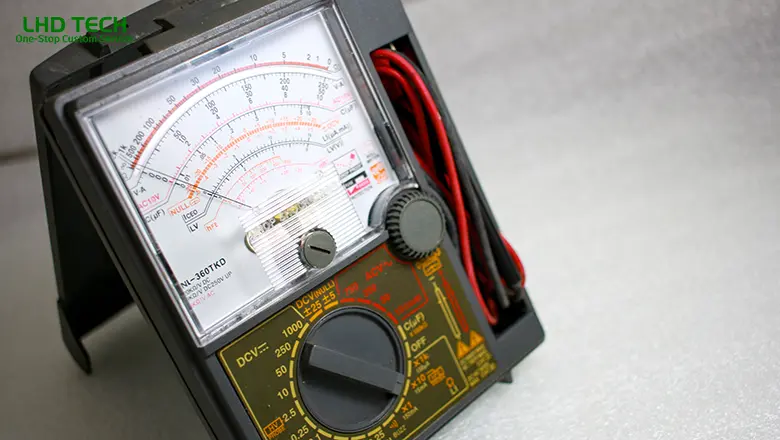
A voltmeter is use to measure a voltage—moreover, the potential difference between two points in a circuit. The instrument is vital for both high-voltage and sensitive electronics work, checking battery voltages, or verifying supply rails in boards and appliances.
Analog and Digital Voltmeters
- Analog voltmeter: To use a pointer on a scale, it can display readings; ideal for observing trends in fluctuating voltages.
- Digital voltmeter: It show precise values on a digital screen (LCD/LED); perfect and fast, a accurate voltage readings.
- AC voltmeter / DC voltmeter: Some special testers only handle one kind; many can combine both voltage measurements.
- Panel-mount voltmeter: Intended for permanent installation in switchboards or generator panels.
Key Tips:
- Always connect a voltmeter in parallel with the circuit segment then you can measure.
- High input impedance can ensure accurate measurements without altering circuit performance.
- Voltmeter and ammeter differences in connection are fundamental for safety and reliability.
When Do You Need to Measure Voltage?
- Checking outlets or extension cords for proper voltage
- Testing car battery charge
- Calibrating lab-grade equipment
- Monitoring supply voltage in remote industrial installations
What is a Multimeter? (Analog Multimeters and Digital Multimeters)
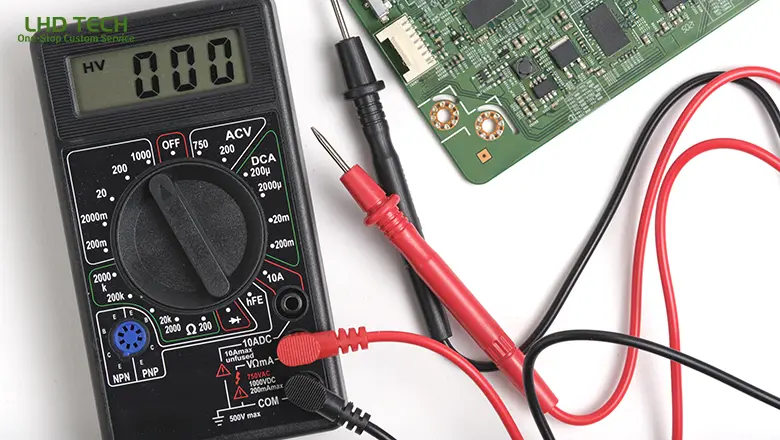
A multimeter—sometimes we call a multitester or VOM (volt-ohm-milliammeter)—this is very flexible of all electrical testers, we’reable to measure voltage, current, and resistance. Modern digital multimeters (DMMs) usually include additional features like data logging, continuity checks, temperature sensors, diode, and transistor testing.
Analog Multimeters vs Digital Multimeters
- Analog multimeters: It’s great for spotting fluctuating readings; less precise—it can be harder and read accurately.
- Digital multimeters: For most users. They offer auto-ranging, rugged casings, True-RMS for AC voltage accuracy, and back lit screens for use in low light.
- Basic multimeter: Ideal for students or home DIY users; simple models cost less and it can cover essential voltage, current, include resistance measurements.
- Advanced or bench multimeter: For engineers and labs—high cost but come with more precise, accurate reads, higher display resolution, and connectivity options.
Testing with Multimeters
When we want to use a multimeter or voltmeter, we often performing these tasks:
- Voltage measurement (batteries, power supplies, or a outlets)
- Current and voltage testing in live circuits
- Resistance checks for continuity or component value verification
- Measuring both alternating current (AC) and direct current (DC)
What is an Ammeter and How Does it Measure Current?
An ammeter is designed to measure current in an electrical board. Unlike a voltmeter, it is connected in parallel, the ammeter must be connected in series with the load so then all the current passes through the tester.
Key Features:
- Precise measurement of current (amperes, milliamperes, microamperes)
- Analog and digital versions: Some digital multimeters feature a built-in ammeter, it allowing us to switch between current and voltage on a single device.
Typical Uses:
- Troubleshooting blown fuses or circuit breakers
- Diagnosing battery drain in vehicles and solar systems
- Monitoring load current in control panels
How Ohmmeters, Voltmeters, and Multimeters Work Together
To understand electrical systems,it need different measurement instruments which is used together or sequentially:
- Ohmmeter: Used to measure resistance in a circuit or a component, to test for continuity or shorts.
- Voltmeter and ammeter: To determine both voltage across and current through a component, we can calculate power use, diagnose faults, or for electrical testing and trouble shooting.
- Multimeter: To combine the functions of ohmmeters, voltmeters, and ammeters—ideal for those who need to measure voltage, current, and resistance all throughout a diagnostic process.
Digital Multimeter vs Digital Voltmeter: Key Differences and Ease of Use

Key Differences Between Voltmeters and Multimeters
- Purpose:
- Voltmeter: Used to measure voltage only
- Multimeter: Designed to measure multiple electrical parameters (voltage and current, as well as resistance and more)
- Functions:
- Multimeter: We can measure both alternating current and direct current, resistance, and (in advanced models) features such asfrequency, capacitance, temperature, it also offer additional features, data logging or wireless connectivity.
- Voltmeter: Strictly for voltage measurement, but often achieves higher precision due to being a specialized tester.
- Ease of Use:
- Digital multimeter: Modern digital multimeters are designed for intuitive operation. There are often a rotary switch or simple button presses to choose between voltage, current, or resistance. Auto-ranging options, it means that even beginners can get accurate results without to select a specific measurement range.
- Digital voltmeter: Straight forward interface—it simply connect the probes, can read the result on a digital screen or LED/LCD display. Perfect if you just need to measure voltage and want fast and accurate voltage readings.
- Display and Output:
- Both testers may display values on a digital screen. Multimeters will show several measurements at one time (e.g., voltage and frequency), some digital voltmeters designed for industrial use it will include output options like MODBUS or analog output (4-20mA) for integration into larger systems.
Key Differences Table
| Feature/Function | Digital Voltmeter | Digital Multimeter |
| Measures | Voltage only | Voltage, current, resistance, more |
| Application | Voltage monitoring, calibration | Electrical testing and troubleshooting |
| Additional Features | High-impedance, panel mount, memory | Data logging, True-RMS, temperature, wireless |
| Ease of Use | Extremely simple | Simple with more functions/controls |
| Accuracy | Highly precise and accurate | High for all functions (varies by range) |
| Use Case | Laboratories, panels | General repair, diagnostics, education |
How to Measure Voltage, Current, and Resistance Accurately: Practical Examples
Let’s look on the practical voltmeter and multimeter, through use cases we can better understand the roles in electrical testing and troubleshooting.
Example 1: Measuring Battery Voltage with a Voltmeter
When you want to measure voltage across a car battery:
- Set your digital voltmeter to DC volts.
- Attach the black (COM) lead to battery negative, red lead to positive.
- Read the value on the digital screen. A healthy car battery will show about 12.6V at least.
Tip: Always ensure the voltmeter is connected in parallel, not series.
Example 2: Measuring Current in an Electrical Circuit with an Ammeter or Multimeter
When checking the current drawn by a lightbulb:
- Turn off the circuit power.
- Break the circuit of the tester, it can be connected in series (all current flows through the meter).
- Turn the power back on and observe the reading on our digital multimeter (set to measure current).
- Results are typically shown in amperes (A), milliamperes (mA), or microamperes (µA).
Example 3: Troubleshooting a Dead Outlet using a Multimeter
When people want to know an outlet or appliance whether has power:
- Set our multimeter or voltmeter to measure AC voltage (if you are in the USA, expect around 120V).
- Insert the probes into the outlet slots.
- No reading indicates an open circuit; a low reading may mean a wiring fault or breaker issue.
Example 4: Checking Continuity with an Ohmmeter
To use the ohmmeter function on a multimeter:
- Remove power from the circuit.
- Place probes across the wire or component.
- A low reading means continuity; “OL” or very high value means open circuit.
Choosing the Right Tester: When You Need a Voltmeter, Multimeter, or Ammeter
Which tester will you use—and when? Here are scenarios to guide you:
Need to measure voltage only? Use a digital voltmeter for fast, we can accurate voltage checks—great for panels or ongoing installations.
Troubleshooting or checking multiple electrical parameters? Choose a digital multimeter for max versatility—to test voltage and current (AC, DC), resistance, and then enjoy additional features.
Current measurement in a dedicated setup? The ammeter or ammeter function on a multi meter shines, ideal for industrial monitoring or solar panel installations.
For lab accuracy or calibration tasks: A bench or high-precision voltmeter will offer accurate voltage readings best.
Summary Table: Choosing Your Tester
| Task / Application | Best Tester | Why? |
| Measure the voltage across two points | Digital Voltmeter | Fast, accurate, easy to read |
| Diagnose home electrical issues | Digital Multimeter | Multi-use (voltage, current, resistance) |
| Monitor current in a manufacturing panel | Ammeter | Specializes in current measurement |
| Test continuity or circuit resistance | Multimeter (Ohmmeter) | Function built in for easy testing |
| Logging values for troubleshooting/trends | Multimeter or Voltmeter | Look for additional features like data logging |
Additional Features: Data Logging and More
Advanced testers and digital multimeters include features, it save time and provide deeper insight:
- Data logging: Periodically records voltage, current, or resistance values for trend analysis—a needed trouble shooting issues, it occur sporadically or monitoring power quality.
- Wireless modules & remote reading: Let you check measurements safely from a distance, for high-voltage or hazardous environments. Fluke’s v3000 FC and related products are obvious
- Communication protocols: MODBUS/RS485 capability for integration with building management, SCADA, or industrial automation systems.
- Alarm and relay outputs: For panel meters, it allow automatic shutdown or alerting if values exceed safe limits.
Frequently Asked Questions (FAQ): Multimeter or Voltmeter, Key Differences, and More
Q1: What is the main difference between multimeter and voltmeter?
A voltmeter is used exclusively for voltage, when a multimeter measure voltage, current, resistance or other parameters. The multi meter can offer more versatility, while the voltmete is specialized for accurate voltage readings.
Q2: Can I use a digital multimeter as a voltmeter or ammeter?
Yes—a digital multimeter switches during the voltmeter, ohmmeter, or ammeter simply by mode selection. It makes the multifunction tester, ideal for a wide range of applications.
Q3: Are analog multimeters still useful?
Absolutely. While digital multimeters and voltmeters are standard, analog multimeters is preferred by some monitoring slow trends or the pointer movement gives “feel” in order to chang the values—such as capacitor charging or slow circuit fluctuations.
Q4: What is meant by “connected in series” or “connected in parallel”?
- Connected in series: The tester is placed and the current must pass through (if necessary for ammeters).
- Connected in parallel: The tester bridges usually have two points (with voltmeters), reading the potential difference without interrupting the main current flow.
Q5: Is True-RMS important when testing AC circuits?
Yes! True-RMS digital multimeters can ensure accuracy to measuring AC voltage or current, it is not a perfect sine wave (its common in electronic loads, variable speed drives, etc.).
Q6: Why should I choose a model with data logging?
Data logging provides a good history of voltage or current, it will help you spot intermittent issues, or maybe verify normal operation over hours or days. This is very important in industrial diagnostics, when we presenting findings for compliance.
Conclusion: Which Electrical Tester is Right for You?
No matter you’re trouble shooting a dead outlet, installing new wiring, calibrating laboratory equipment, or monitoring an industrial process,to choose a multimeter or voltmeter (or an ammeter!) comes down to our needs:
- To use a digital voltmeter for direct, It highly precise voltage measurement to accuracy is paramount.
- Rely on a digital multimeter for general electrical testing, trouble shooting, no matter when you expect to measure multiple electrical parameters across the
- Deploy an ammeter (or the ammeter mode of your multimeter) you can monitoring or troubleshooting current in an electrical circuit.
Ultimately, to understand the difference between multimeter and voltmeter,we can using the right tester for the job to ensures accurate voltage readings, it can improves safety, and boosts our troubleshooting efficiency. Make the right choice, then every circuit becomes easier to solve.