
Introduction: Why Choose Single Sided PCB Manufacturing Services?
Single sided PCBs represent one of the most popular and widespread technologies in the electronics industry. As the foundational type of printed circuit board, these boards have only one conductive copper layer and all components on one side of the substrate, making them the basic type of printed circuit board for straightforward, low-density electronics. They are easy to design and manufacture, extremely cost-effective, and have become the backbone for projects ranging from LED lighting boards, remote controls, power supplies, to industrial timers.
Modern manufacturers like LHD TECH, a renowned single sided PCB manufacturer in the China, combine over three decades of printed circuit board expertise with advanced pcb fabrication tools and efficient service, ensuring reliable supply for global brands and startups alike.
Why Single Sided PCBs?
| Reason | Benefit |
| Low cost | Ideal for volume and prototyping |
| Simple manufacture | Minimal design errors |
| Robust for low density | Fewer potential defects |
| Quick delivery | Prototyping in days, not weeks |
What is a Single Sided PCB? (Single Layer, Single Sided Printed Circuit Board)
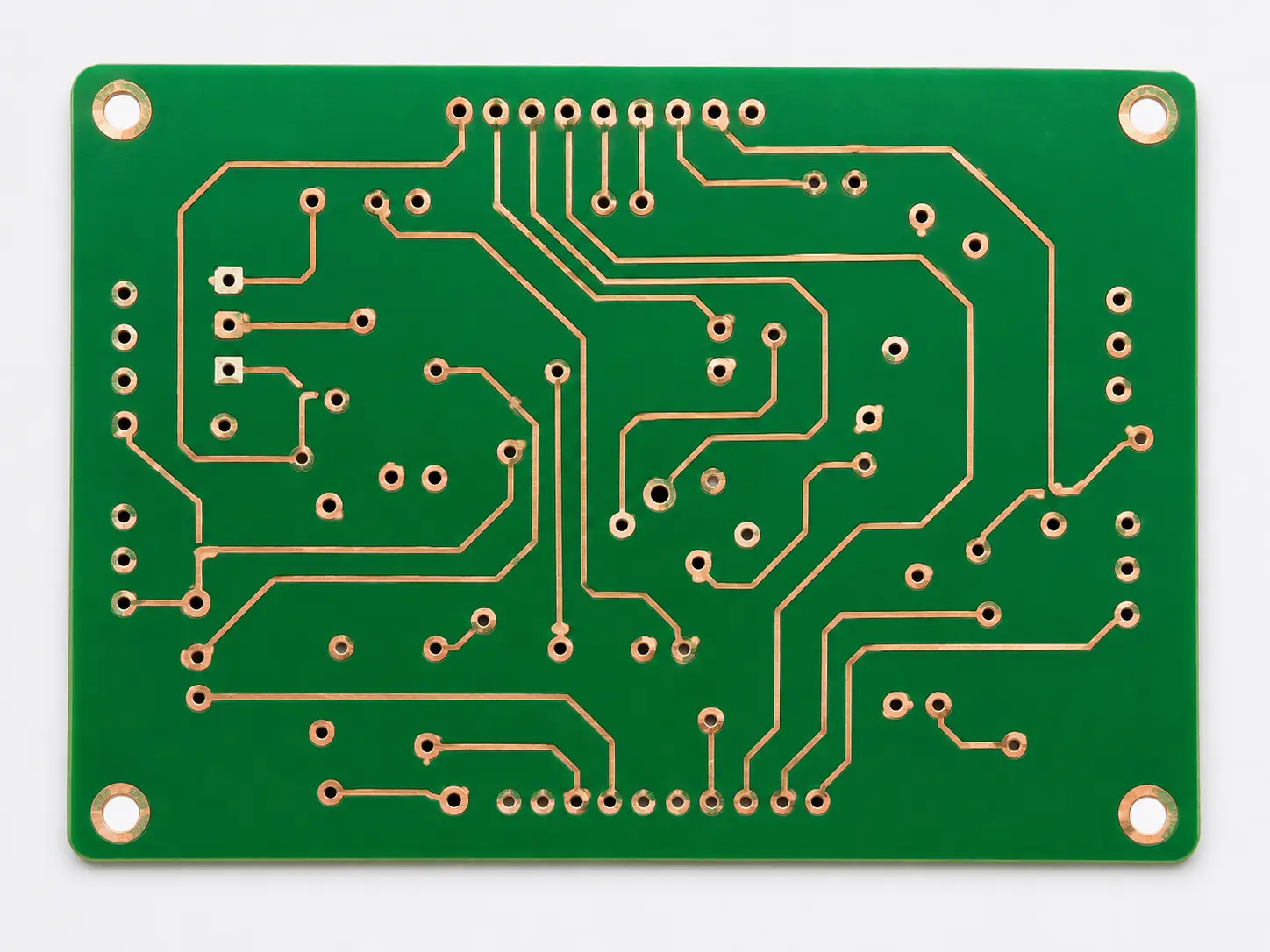
- Single sided PCB also referred to as single‑layer or single‑side board – is about as basic as printed circuit boards get. It’s built around just one layer of conductive copper, which is bonded onto a rigid or flexible dielectric substrate on one side only. All the components live on that same copper side, which makes soldering and assembly refreshingly straightforward even if you’re new to the game. And because everything’s accessible from one face, troubleshooting and rework are a lot less painful than on multi‑layer boards.
- Key Characteristics of Single Sided PCBs
- A single conductive copper layer etched to form the required traces and component pads.
- A dielectric substrate typically FR4 or CEM1that gives the board its mechanical backbone and electrical insulation.
- A solder mask coating over the copper, which helps prevent solder bridges and accidental shorts during wave or hand soldering.
- A silkscreen overlay that labels component outlines, pin‑one indicators, and test‑point locations for easy assembly and debugging.
All components mounted on the same side of the board a layout that simplifies both manual and automated soldering, especially when you’re working with through‑hole parts.
Why is it Called Single Sided?
Because all tracks and pads are patterned on only one side of the substrate, conductive paths cannot cross or overlap. This one-layer format is ideal for low-density, low-cost designs, but naturally limits the complexity of circuit designs it can support.
One of the Simplest Board Types
Among all PCB types, single sided circuit boards stand out for their straightforward nature and are often the entry point for new electronics projects.
Materials Used in Single Sided PCB Manufacturing
Selecting the right material is critical in single sided PCB manufacturing for cost, strength, and electrical performance.
Most Common Materials for Single Sided PCBs
| Material | Main Feature | Usual Application |
| FR4 | Glass-reinforced epoxy laminate | General electronics, power supplies, high-reliability products |
| CEM-1/CEM-3 | Composite paper/fiberglass, epoxy | Household appliances, LED lighting, toys |
| Phenolic | Lowest cost, paper base | Single-use, low-cost PCBs; promotional gadgets |
| Aluminum-Backed | Advanced thermal conductivity | LED panels, automotive lighting, power modules |
| Flexible (PI) | Polyimide for bendable designs | Wearables, printers, movable displays |
- FR4 PCBs are most common for balancing cost, thermal performance, and strength.
- Aluminum PCBs manage heat dissipation and are critical for devices like LED lighting boards or power supplies.
- The laminate—either fiberglass, composite, or metal—acts as the circuit’s mechanical and dielectric backbone, while copper forms the conductive layer.
PCB Manufacturing Tip: For LED lighting, aluminum-backed single sided PCB boards provide best-in-class heat spreading. For education or toys, phenolic is the most cost-effective option.
Details on Layer Construction
A typical single sided printed circuit board stackup:
- Copper-Clad Laminate: The foundation—substrate base (FR4, CEM) coated on one side with a copper foil (1oz or 2oz is common).
- Solder Mask: Applied to the copper to prevent bridging, except where pads should stay exposed for solder.
- Silkscreen: Printed for assembly and diagnostics.
Essential Structural Elements of Single Sided PCBs
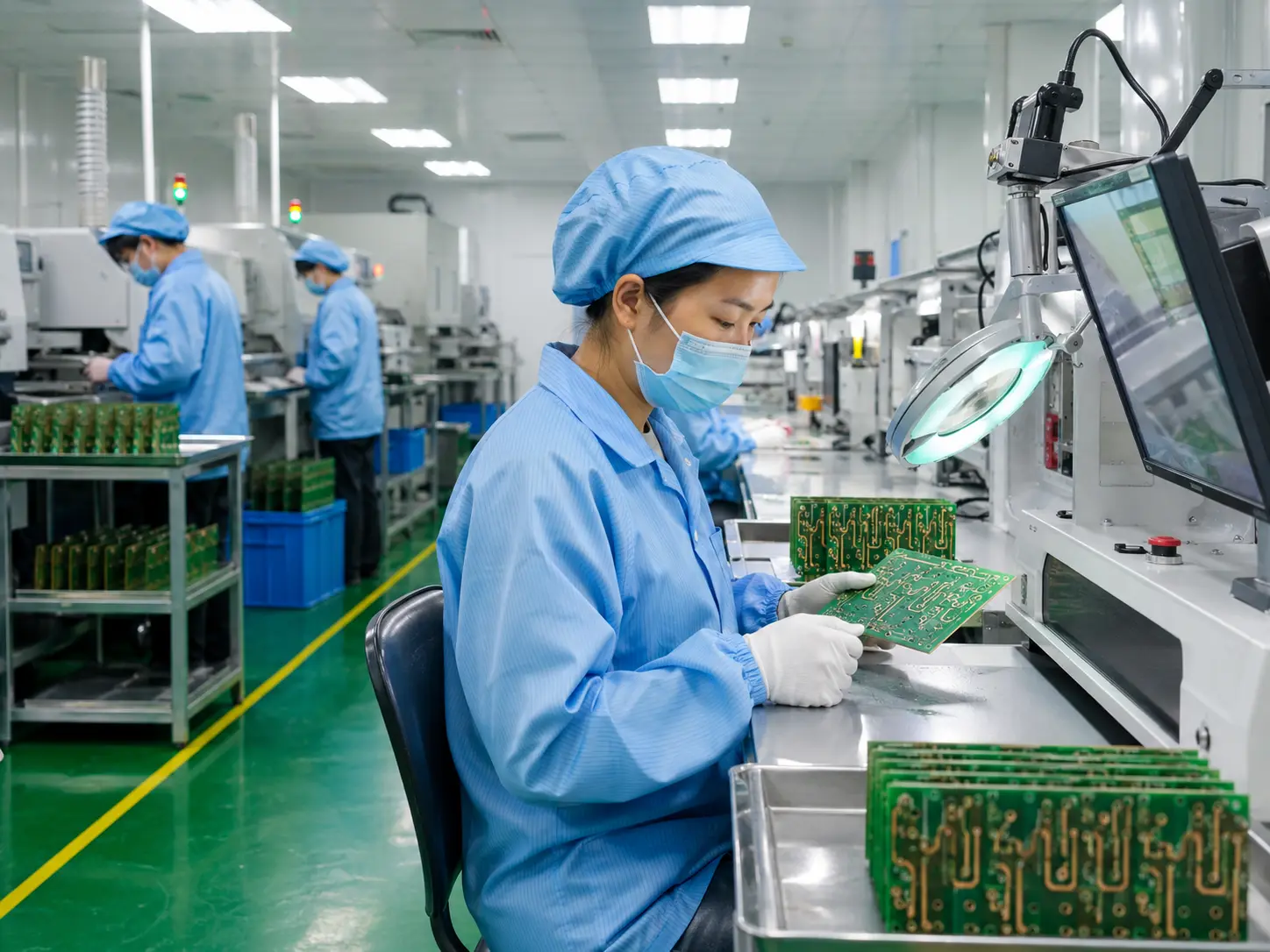
A quality-driven single sided pcb manufacturer ensures:
- Pads and large traces are spaced with correct clearance to facilitate automated or manual solder.
- Mounting holes are properly reinforced, especially if mechanical stress is expected.
- Copper pour: Used for ground plane or power rails to improve current supply and reduce noise.
- No vias: Because there’s only one conductive copper layer, “vias” (signal jumpers through the board) do not exist in single sided PCBs.
How Does a Single Sided PCB Work? (Working Principles & Copper Conductivity)
The principle behind single sided printed circuit boards is simple: components on one side are interconnected through copper traces etched onto the copper layer that’s bonded to one side of the substrate. Current enters the circuit through input pads or connectors, travels along the copper pathways to various electronic components (resistors, diodes, ICs), and finally reaches the outputs or ground. The substrate electrically isolates traces, prevents accidental shorting, and provides mechanical support.
Conductivity in Single Sided PCBs
Copper layer thickness—measured in ounces per square foot—affects how much current a trace can handle. Thicker copper is specified for power circuits. All conductive paths are mapped so they never cross each other—this is a fundamental restriction, meaning path routing must be efficient and well-planned. In this basic type, conductive paths cannot cross or overlap because there is only one layer.
Common Applications of Single Sided PCBs
Single side circuit boards are used in a variety of industries, especially where low cost, simple functionality, and high-volume production are more critical than extreme miniaturization or speed.
Major Application Examples
| Segment | Devices/Boards | Rationale |
| LED Lighting | Driver boards, rigid LED strips | Cost-effective, copper for heat |
| Consumer Electronics | Remote controls, calculators, buzzers | Easy to design, easy to manufacture |
| Power Supplies | Basic charger circuits, adapters, valves | Single-layer reliability |
| Industrial Controls | Relay drivers, simple automation, alarms | Robust, easy to repair |
| Toys and Gadgets | Sound modules, battery holders, simple games | Very low cost, fast production |
Advantages and Disadvantages of Single Sided PCBs
Advantages
Single sided PCBs are renowned for being easy to design, easy to manufacture, and highly cost-effective, making them ideal for rapid prototyping and large-scale production. Because these printed circuit boards use only one layer of copper on one side of the substrate, they’re straightforward to assemble—all components on one side, with clear, accessible traces.
Why PCBs Are Ideal for Many Applications:
- Cost-Effectiveness: The single sided design and manufacture process uses less material and labor than double-sided or multi-layer PCBs, keeping costs down for high-volume orders.
- Simple Manufacturing Process: Since there is only one conductive copper layer, the manufacturing process is streamlined with fewer steps, minimizing errors and speeding up turnaround.
- High Reliability in Basic Circuits: Fewer layers and straightforward copper routing reduce the risk of faults, which is why single sided PCBs dominate in home appliances, chargers, and lighting.
Tips for Maximizing Benefit:
- Opt for HASL surface finish for further cost-effectiveness if you’re not using ultra-fine-pitch SMT.
- Standardize hole sizes and part footprints to make automated assembly and troubleshooting even easier.
Disadvantages
Despite these strengths, single side PCBs have clear limitations:
- Limited Routing Complexity: With only one layer of conductive copper, all traces must route without crossing; complex circuit designs become nearly impossible.
- Not Suited for High-Speed or Dense Electronics: Single sided PCBs can struggle with signal integrity and EMI if higher speed or advanced connectivity is required.
- Power and Ground Noise Issues: Without internal ground planes or dedicated power layers, voltage drop and noise are harder to control—designers must be strategic in their use of copper fills and trace width.
When Not to Use Single Sided Boards:
- If your circuit requires many connections (dense microcontroller circuits, RF modules), or if you need advanced EMI control, consider double-sided or multi-layer PCB types.
Single Sided PCB vs Double Sided PCB vs Multi-Layer PCB: Core Differences
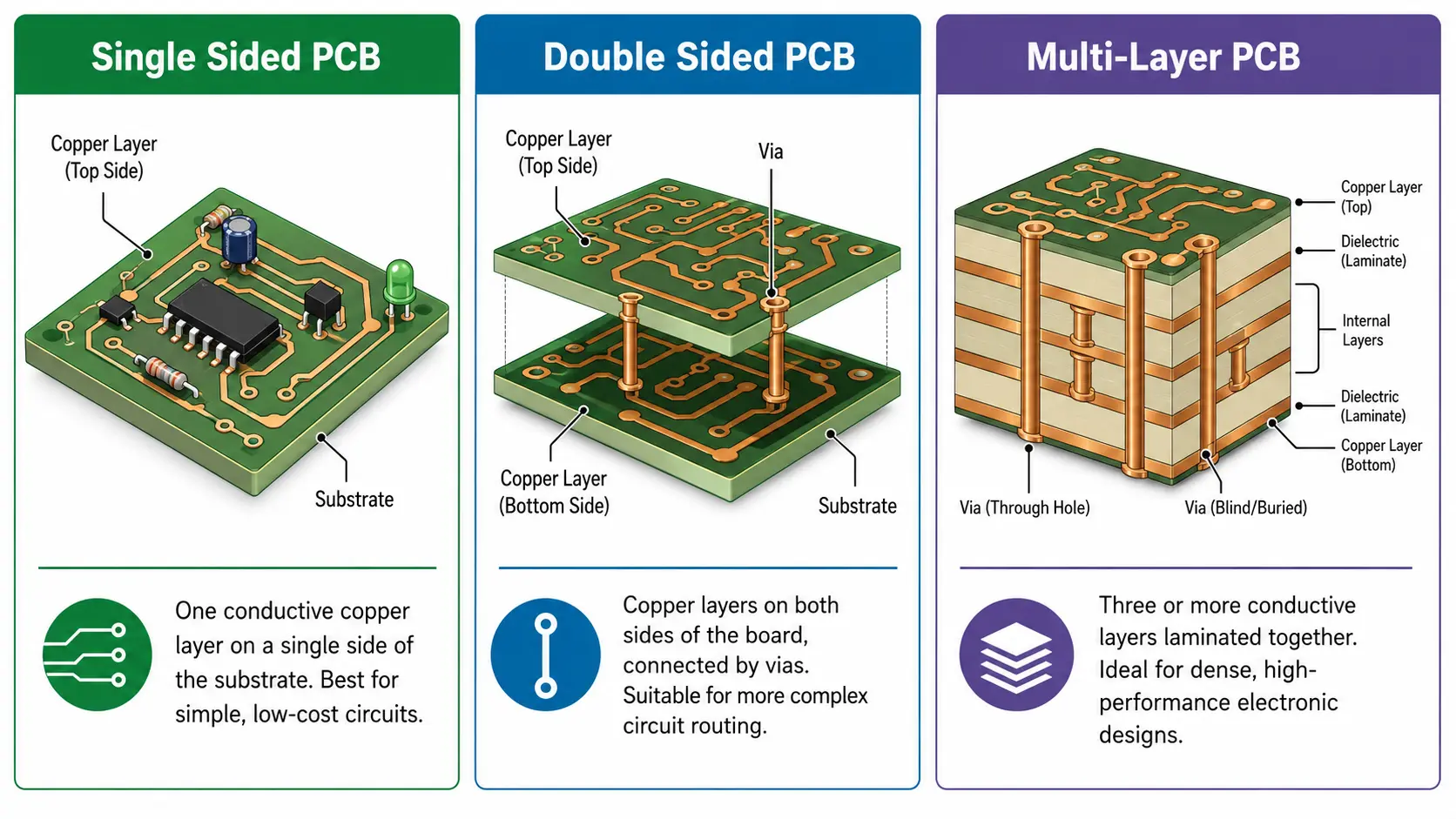
Understanding the strengths and trade-offs of various PCB types is crucial for product success.
Single Sided PCB
- Structure: One conductive copper layer, components on one side of the board.
- Manufacturing Process: Simple, inexpensive, fast; minimal steps in etch, mask, and assembly.
- Best For: Basic, low-density, and cost-sensitive electronic products.
Double-Sided PCB
- Structure: Copper layers on both sides, with vias to connect them.
- Use Case: More complex circuits, where traces must cross and denser layouts are required.
- Manufacturing Process: Involves plating vias and complex alignment, making it costlier than single side PCBs.
- Best For: Power electronics, audio equipment, control boards.
Multi-Layer PCB
- Structure: Three or more copper layers, including internal layers for ground, power, or signal.
- Use: Advanced, compact, or high-speed circuits like computers, mobile devices.
- Best For: When you absolutely need high component density, minimal EMI, or advanced signal routing.
Circuit Board Selection Table
| Feature | Single Sided PCB | Double-Sided PCB | Multi-Layer PCB |
| Layers | 1 | 2 | ≥3 |
| Trace Routing Limits | Traces can’t cross | More freedom | Virtually unlimited |
| Cost | Lowest | Medium | Highest |
| Application | LED lighting, remotes | Power supplies, sensors | Smartphones, routers |
Major Types of Single Sided PCBs
Single sided PCBs, though simple in principle, come in several specialized forms to meet the needs of modern electronics.
- High Current Single Sided: Uses thick copper (up to 2oz or more) for power supplies, motor drives, or LED lighting boards.
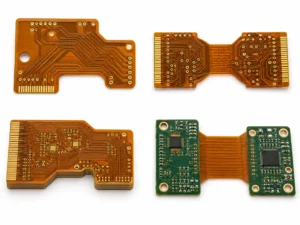
- Flexible Single Sided PCB: Built on polyimide or PET substrate to create bendable, wearable, or movably mounted circuit boards.
- Single Sided Aluminum PCB: An advanced PCB laminate with a thick aluminum substrate; excellent for high heat loads in LED and power products.
- Paper Phenolic Single Sided PCB: For mass-produced, low cost toys, calculators, or disposable electronics.
Advanced Design and Manufacture Considerations for Single Sided PCBs
Component Placement Advice:
- Place power components and connectors near board edges for easy assembly and better heat management.
- Cluster related items—such as all control ICs or all high-current drivers—shortening copper trace runs and simplifying troubleshooting.
Conductive Path Planning:
- Always remember, conductive paths cannot cross on a single sided PCB.
- For any design that seems “crowded,” consider extending the board size or shifting to a double-sided PCB if every alternative is exhausted.
PCB Fabrication and Testing
- Ensure all key pads are large enough for easy solder and inspection.
- If possible, incorporate test pads or a diagnostic header—this is invaluable in both production and repair phases.
Manufacturing Process Optimization:
- Match your PCB laminate’s heat rating to your reflow or solder wave process.
- Use silkscreen to indicate voltage, ground, and key test points—this aids both initial debug and future repairs.
Manufacturing Process & Quality Control in Single Sided PCB Production
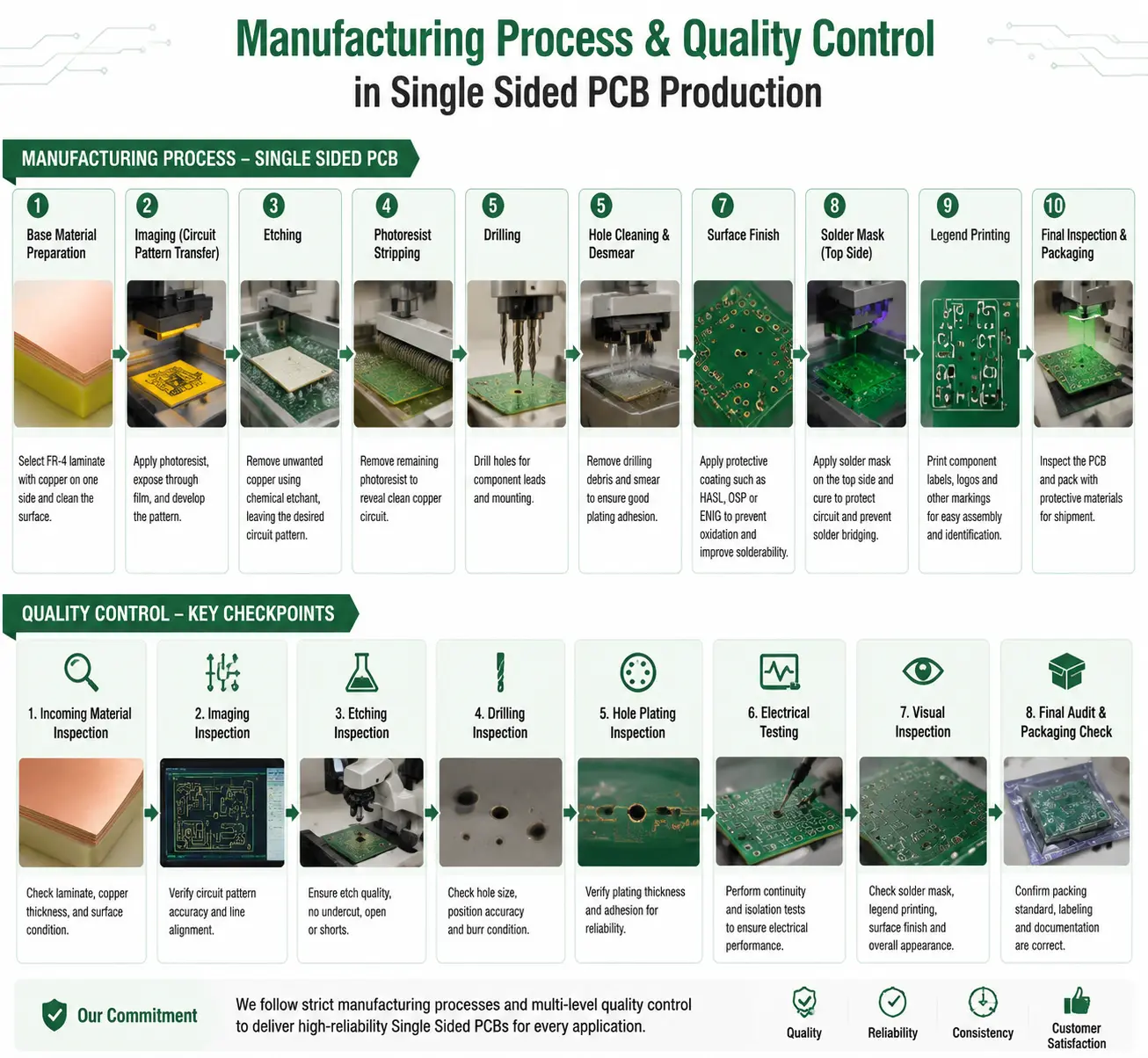
The typical single sided PCB manufacturing process with modern automation:
- Start with Copper-Clad Laminate: Substrate (FR4, CEM) is coated with a layer of conductive copper.
- Pattern Transfer (Screen Printing/Photolithography): The desired circuit pattern is applied to the copper layer with a resist.
- Etching: Chemical or plasma etch removes unwanted copper, leaving only signal traces and pads.
- Drilling: Component and mounting holes are drilled with precision.
- Solder Mask Application: Solder mask is applied to cover and protect all but the actual component pads.
- Silkscreen Printing: Component designators, part numbers, and guides added with contrasting ink.
- Surface Finishing: HASL, OSP, or ENIG finished, as specified, for optimal solderability and oxidation resistance.
- Assembly and Optical Inspection: Components are assembled, then visually and electronically inspected—automation ensures high repeatability and quality.
- Final Electrical Test: Each board is probed for opens, shorts, and correct pad connectivity.
Single Sided PCB Cost Factors & Price Optimization
Key influences on single sided PCB price:
- Material: FR4 is pricier than phenolic but brings greater reliability.
- Board Size and Shape: Larger, irregular, or multi-board using designs cost more per piece.
- Copper Weight: Thicker copper increases cost but is needed for power supply or high-current circuits.
- Surface Finish: OSP is cheapest; ENIG (gold) is preferred for fine-pitch components or reliability in storage.
- Testing Level: 100% AOI and electrical tested boards cost more but can save by preventing post-assembly faults.
Quotation & Order Process: Industry Best Practices
Ordering from a professional single sided PCB manufacturer is straightforward:
- Provide Production Files: Gerber files, drill drawing, BOM, plus clear specs for solder mask, copper weight, substrate, and finish.
- Request Quotation: Use manufacturer’s online portal or dedicated sales engineer.
- DFM and Cost Review: Manufacturer checks manufacturability and may suggest adjustments for cost-effective or trouble-free production.
- Approve and Pay: Confirm production, timeline, and delivery arrangements.
- Prototype First: For new designs, opt for a short run to validate assembly and test before mass production, reducing the risk of widespread errors.
- Track Production and Delivery: Reliable single sided PCB manufacturers will provide regular updates and shipping tracking.
- After-Sales Support: Good manufacturers offer ongoing support, handling quality questions and suggest improvements for your next project.
Troubleshooting, Defects, and Manufacturing Tips for Single Sided Circuit Boards
Even the most reliable manufacturing process may encounter issues. Experienced single sided PCB manufacturers and knowledgeable designers mitigate these by understanding common defect patterns and preventative best practices.
Common Defects
- Open Circuits or Shorts: Caused by incomplete etching, solder bridges, or foreign contaminants left during fabrication.
- Pad Lifting: Often results from excessive heat during soldering or poor copper-to-substrate adhesion.
- Warped Boards: Can result from uneven cooling, inappropriate substrate, or excessive copper imbalance.
- Solderability Issues: Usually stem from improper or oxidized surface finish, or inadequate solder mask application.
- Misregistration: Silkscreen or solder mask shifted from intended pads due to alignment errors or thermal expansion.
Best Practices for Defect Prevention
- Match copper thickness and substrate choice to your design—don’t over-specify heavy copper unless your circuit requires it.
- Utilize tested, industry-standard solder mask and surface finishes that best fit your assembly process (HASL for wave solder, ENIG for fine-pitch SMT).
- Design boards to IPC guidelines, especially for trace clearance, annular ring size, and minimum drill/hole rules—this keeps fabrication yields high.
Quick Troubleshooting Table
| Symptom | Probable Cause | Solution/Tips |
| Intermittent connection | Cracked pad or thin trace | Increase pad/traces, opt for thicker copper |
| Difficulty soldering | Oxidized pad or incompatible finish | Specify ENIG, inspect package storage |
| Warping | Excess copper on one edge/side | Balance copper pour; verify substrate grade |
| EMC/Noise issues | Insufficient ground plane | Widen copper pour under signal area; minimize loop area |
Future Trends in Single Sided PCB Manufacturing and PCB Types
The single sided PCB remains a fundamental platform as electronics become more efficient and as new technologies emerge. Here are some leading trends:
- Eco-friendly Materials: FR4 and copper-clad laminates are evolving to include halogen-free, ROHS-compliant, and even recyclable composites.
- Digital & Automated Fabrication: The adoption of industry 4.0 and “smart factory” processes, including automated optical inspection and AI-driven DFM, boosts yield and traceability.
- Additive Manufacturing: Next-gen direct-write and digital printing of circuit boards are expanding rapid prototyping and short-run PCB production capabilities.
- LED and Power Management Focus: With the explosion of LED lighting and affordable consumer electronics, high-end aluminum single sided PCBs are expected to lead innovation.
- Improved DFM Tools: Real-time, cloud-based design and manufacturer collaboration ensures virtually error-proof PCB design and manufacture.
How To Work with a Professional PCB Manufacturer: Pro Tips
To guarantee excellent results with your single sided pcb manufacturer:
- Communicate Early: Share intended application, expected volume, and any constraints (thermal, cost, certification) at the quotation stage.
- Request DFM Advice: Professional manufacturers provide feedback on Gerber files and recommend adjustments for highest yield and cost savings before you commit.
- Check Certifications: For export or regulated industries, ensure your supplier holds IPC, ISO, and RoHS certifications relevant to your market.
- Ask for Value Adds: Features like panelization, serialized marking, or bundled PCB assembly can cut your costs substantially.
Conclusion: China Based Single Sided PCB Manufacturer Benefits
Single sided PCBs are one of the simplest and most cost-effective solutions in the world of printed circuit boards. Their easy to design structure, rapid manufacturing process, and suitability for consumer electronics, led lighting, industrial control, and power supplies, make them the versatile workhorse of the electronics sector.
By partnering with a reputable single sided PCB manufacturer—like LHD TECH—you gain engineering expertise, material flexibility, rapid prototyping, and full production capability, with all the assurance and responsiveness of a China-based supplier. Whether you’re launching a new IoT sensor, mass-producing an LED module, or building basic circuit boards for an appliance line, the synergy of quality, speed, and continuous support ensures your projects succeed in the marketplace.